 The measure to remove free public transport for third-country nationals is ”unjust and counterproductive,” four organisations said in a joint statement today.
Moviment Graffitti, Rota, Friends of the Earth Malta, and Solidarjeta, said that they ”strongly oppose a two-tier public transport system and institutionalised discrimination against foreign workers.”
The organisations warned that the measure would force these residents, who are among the lowest-income and most socially marginalised groups in society, to pay for a service that remains free, yet inefficient, for other groups of residents.
”This represents mobility injustice, discrimination and unequal treatment – a senseless measure that plays into the growing discontent over foreign workers in Malta, rather than one that will improve public transport, they stated.
The organisations pointed out that many third-country nationals live, work and study in Malta for years. They pay taxes, pay rent, support local businesses, and keep entire sectors running. ”Yet, when it comes to access to public services, they are treated differently because of their nationality.”
”This is an unjustifiable and dangerous distinction,” the organisations said. ”Workers who contribute to the country should be treated fairly, regardless of their passport. If free public transport is a benefit available to residents, the government must explain why people who live, work, and study here are being excluded on the basis of their nationality.”
The organisations insisted that ”there is a clear difference between tourists, who visit Malta temporarily, and residents who have made their lives here. Asking tourists to contribute towards the cost of their visit is reasonable. However, it is unjust to charge workers who already contribute to the economy and pay taxes while allowing other residents to travel for free.”
”The proposal also exposes a wider problem with Malta’s approach to migrant workers,” the organisations said. ”Their labour is welcomed when businesses need staff, and their contribution is relied upon to sustain the economy. However, when it comes to their rights and access to public services, different standards are applied.”
They stressed that this proposal will not lead to a better public transport service. ”Malta’s public transport system is already overcrowded and inefficient, and making third-country nationals pay to use it will do nothing to address these problems. Third-country nationals who depend on buses to get to work and go about their daily lives will still need to use them, whether the service is free or not.”
The organisations highlighted the fact that free public transport was introduced to encourage a shift from private car use to bus usage. ”However, making the service free has done nothing to make bus trips more reliable, frequent, fast or comfortable, which are the things really required to entice people to shift from car to bus.”
They insisted that the government should focus on improving the service for everyone. ”If the aim is to reduce congestion and encourage people to leave their cars at home, public transport needs to become a reliable and efficient alternative. Charging third-country nationals does not achieve this.”
The organisations went on to say that the government must explain the reasoning behind this distinction and reconsider the proposal. ”Public policies should be based on clear and fair criteria, rather than treating people differently based on their nationality.”
Moviment Graffitti, Rota, Friends of the Earth Malta, and Solidarjeta concluded by saying that ”all residents deserve equal consideration, regardless of nationality or status. Their contribution to society should count, and their access to essential services should not depend on holding the right passport.”
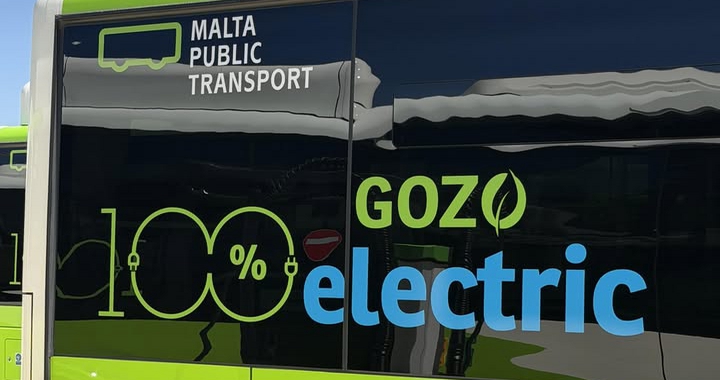
File photo