Be the first to comment!
Gozo launches journey as European Region of Gastronomy 2026
 Email item |  Print item |
|
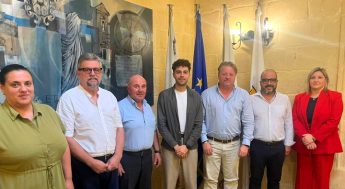
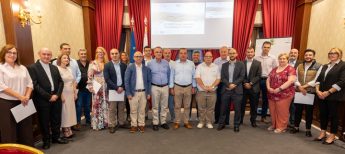
The Gozo Regional Council marked the official start of Gozo’s journey as European Region of Gastronomy 2026 during a public event held on Thursday at ITS Qala.
Held under the theme “From Past Food to Future Food,” the evening brought together representatives from agriculture, education, gastronomy and hospitality to reflect on the island’s culinary roots and the direction it is now taking.
The title had been formally awarded to the Gozo Region in 2024 by the International Institute of Gastronomy, Culture, Arts and Tourism (IGCAT) during an official ceremony held at the Citadel.
The bid was spearheaded by the Gozo Regional Council in collaboration with a number of regional stakeholders, following an extensive evaluation process that assessed Gozo’s gastronomic identity, sustainability vision and level of community engagement.
During the evaluation, international experts examined the island’s agricultural practices, culinary traditions, educational initiatives and cultural heritage, highlighting the strong connection between food, place and identity.
The GRC said that the recognition positioned Gozo alongside other European regions committed to using gastronomy as a driver for sustainable development, cultural preservation and economic growth.
Addressing attendees, Noel Formosa, Vice President of the Gozo Regional Council, remarked that the designation “is not simply about food. It is about who we are.” He noted that gastronomy mirrors Gozo’s landscape, history and resilience, while acknowledging the contribution of farmers, fishermen, artisans and chefs who continue to shape the island’s food identity.
A key part of the programme was a panel discussion focusing on the past, present and future of food in Gozo. Taking part were Jesmond Borg, CEO of a cooking school, agriculture expert Anthony Zammit, chef Philip Spiteri, and gastronome and restaurateur Amand Veranneman.
During the discussion, panelists spoke about how local agriculture and dining habits have changed over the years, the risk of losing valuable traditional knowledge, and the importance of safeguarding techniques and dishes that form part of Gozo’s culinary heritage.
The conversation also touched on current challenges, including climate realities, technological change, evolving consumer expectations and the impact of social media on food culture. Looking to the years ahead, speakers highlighted the need for stronger sustainability practices and long-term planning. They discussed how agriculture, restaurants and culinary education must continue to adapt to ensure that food production and hospitality remain both environmentally responsible and economically sustainable.
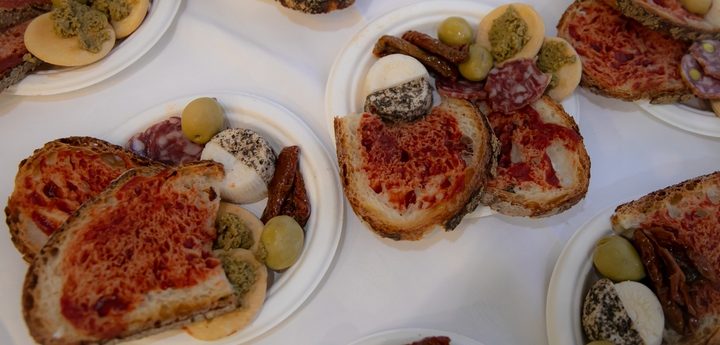
The GRC noted that importance of cooperation across sectors, as well as encouraging younger generations to pursue careers in agriculture and gastronomy, was also underlined. The evening concluded with a live demonstration of traditional ftajjar preparation, emphasising the value of passing skills from one generation to the next.
Guests were also invited to sample selections from local producers, further celebrating the link between food, community and place.
Photo: GRC