Be the first to comment!
Public urged the public to rely on official sources for bathing water quality information
 Email item Email item
|  Print item Print item
|
|
 The public is being urged to to ”rely exclusively” on official information issued by the health authorities regarding bathing water quality and any public health risks associated with designated bathing areas.
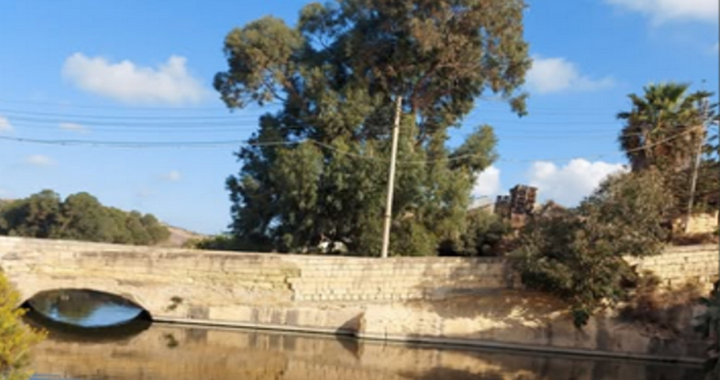
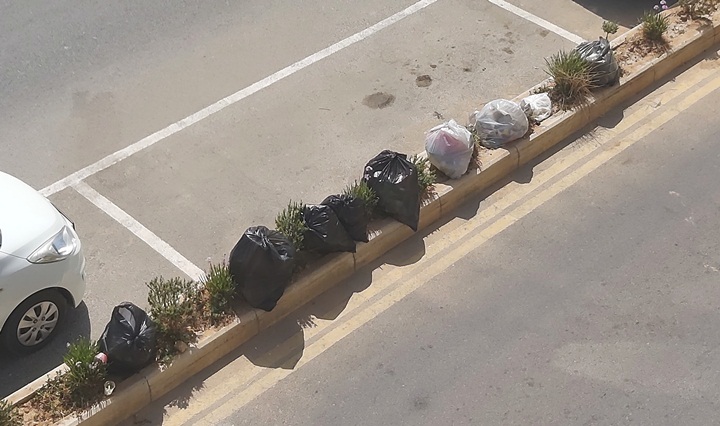
The Office of the Superintendent of Public Health noted that ”the image featured on the front page of today’s edition of Illum newspaper in relation to bathing water quality does not depict any contamination source that has been identified during the investigations carried out by the competent authorities.”
It warned that ”the use of such imagery may therefore create an inaccurate impression of the circumstances being investigated.”
The Environmental Health Directorate within the Superintendence of Public Health said that it operates a ”comprehensive, evidence-based bathing water monitoring programme throughout the bathing season. Regular sampling and testing are undertaken in accordance with established scientific and regulatory standards to ensure that the public can safely enjoy Malta’s bathing waters.”
Members of the public are encouraged to consult official sources for the latest information, including:
• The Environmental Health Directorate’s Bathing Water Programme webpage: Bathing Water Programme
• The Environmental Health Directorate’s official Facebook page
• Official press releases and public health advisories issued by the health authorities.
The Health Authorities encouraged the public to ”enjoy Malta’s bathing waters during the summer months while taking sensible precautions to protect their health and by remaining informed through official channels.”
It reiterated that ”members of the public are advised not to rely on unverified reports, social media speculation, or unofficial sources that may not accurately reflect the situation on the ground.”
The Environmental Health Directorate said that it ”continuously assesses bathing water quality and any potential risks to public health. Whenever results or investigations indicate a risk to bathers, immediate action is taken. This includes the issuance of public health notices advising against bathing, the publication of official press releases, and the placement of warning signs at the affected locations.”
Furthermore, it said that whenever contamination is identified, the health authorities work closely with other competent authorities to investigate the source and implement corrective actions aimed at controlling and eliminating the contamination. All affected sites are subject to ongoing monitoring and follow-up.
The Directorate advised that in cases involving microbiological contamination, the lifting of bathing restrictions and the reopening of affected bathing areas only takes place following confirmatory testing demonstrating that water quality has returned to acceptable standards and that the public health risk has been mitigated.
The Office of the Superintendent of Public Health concluded by saying that it reiterates its commitment to ”transparency and to keeping the public informed through timely, evidence-based, and scientifically robust communications aimed at safeguarding public health.”
File photo