Be the first to comment!
Budget: Beyond economic and social measures: What kind of society are we building? – Caritas
 Email item |  Print item |
|
 Caritas Malta has welcomed the range of social measures announced in the 2027 Budget that recognise the importance of continued investment in the wellbeing of individuals, families and communities.
However, Caritas Malta expressed concern, about the measures which will impact third-country nationals (TCNs). Measures that impose tariffs and fees for services that were previously offered free of charge ”risk reinforcing a distinction between those considered fully deserving of dignity and social protection and those whose presence in Malta is viewed primarily through an economic lens or economic exploitation,” it said.
It insisted that ”third-country nationals are now an essential part of our economy and society. Unfortunately, they are also a particularly vulnerable group, whereby a large share of migrant workers in Malta have been exposed to precarious employment arrangements, exploitation and breaches of their employment rights. These include practices that continue to persist, such as significantly lower wages and the failure to provide the legally required double pay for work on Sundays and public holidays. Therefore, increasing economic pressures on third-country nationals amplifies the strain that many already experience, particularly when one also considers the costs of rental accommodation and the high cost of daily living.”
Caritas warned that ”measures relating to third-country nationals that appear to inadvertently fuel perceptions that they are lesser human beings risk damaging the core values of solidarity, justice and compassion that have historically shaped Maltese society. Such measures risk deepening divisions and exposing third-country nationals to an increased risk of discriminatory attitudes and labour practices by those who seek to exploit them”
”Malta has been a leader in economic growth and has presented consecutive socially sensitive budgets. This should not be dampened by measures where third-country nationals are expected to bear a greater share of the costs of social measures from which they themselves may not fully benefit while at the same time risk fuelling resentment or discrimination toward them. One also hopes for increased and effective enforcement to curtail those employers who continue to exploit third-country nationals,” stated Caritas.
Caritas noted positively the increases in pensions and the minimum wage, support for persons with disabilities, the coverage of social security contributions for young people who require long-term rehabilitation programmes, and further assistance to families in need.
It also said that energy subsidies continue to be a significant measure in containing increases in the cost of daily living. The same applies to the updated tax brackets aimed at encouraging families to bear children.
The government approach for continued collaboration with various socially oriented NGOs on ongoing and new public service agreements is noteworthy, said Caritas. ”Government support to NGOs, directly contributes to the wider engagement of volunteering and pro-social behaviour in our society.”
Caritas Malta also acknowledged the reference to the Low Wage Commission and its work to further evaluate the minimum wage. Increasing tariffs in relation to the registration of pleasure boats appears to be an equitable measure in view of the significant fuel subsidies. ”One also hopes that the increase in the eco-tax in order to contain the economic, social and environmental ill-effects of high-volume, low-yield tourism will also have the desired effect.”
In conclusion, Caritas Malta acknowledged the ”need to address the very real challenges arising from population growth. This requires measures to manage population growth, including the adoption of fair and balanced labour migration policies regulating the employment of third-country nationals. However, it is essential that the burden of addressing these challenges does not fall disproportionately on those who are already among the most vulnerable in our society.”
”In parallel our society needs to continuously strive to maintain and improve the level of social protection, safeguarding the physical and social environment, addressing significant issues related to affordable housing, reducing waste and instilling a culture of responsible use of resources, accountability and responsibility.” Caritas Malta stated that it ”advocates for the collective responsibility to achieve this and for the government to always set the example.”
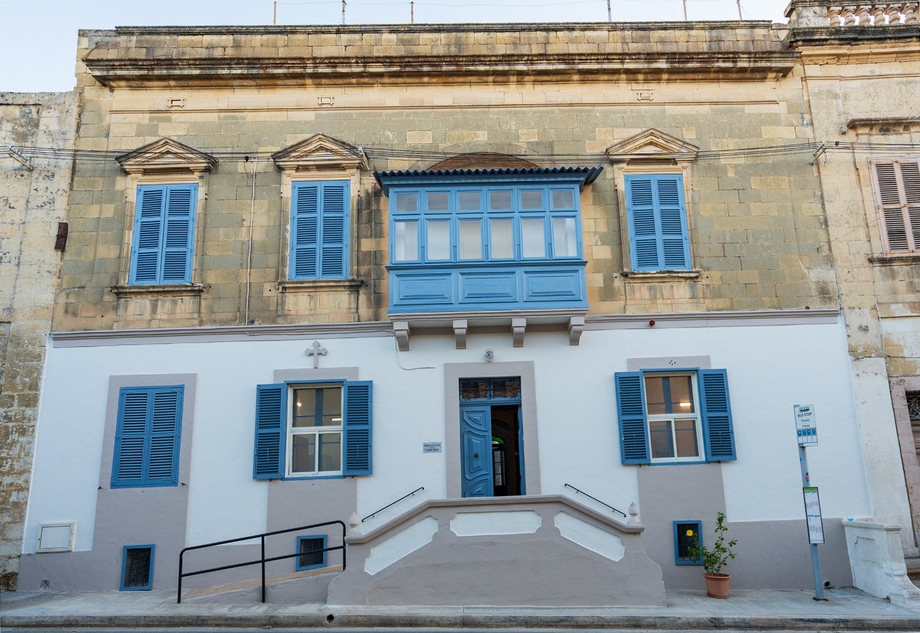
File photo: Caritas Gozo