 1 comment.
EC adopts new rules on tougher vehicle testing to save lives
 Email item Email item
|  Print item Print item
|
|
 Vehicle checks are fundamental to road safety. More than 5 people die on Europe’s roads every day in accidents linked to technical failure. So the European Commission has adopted new rules to toughen up the testing regime and widen its scope.
Technical defects contribute heavily to accidents. They are responsible for 6% of all car accidents, translating into 2,000 fatalities and many more injuries yearly. 8 % of all motorcycle accidents are linked to technical defects.
The main problem is that there are simply too many vehicles with technical defects on the road. Recent studies from the UK and Germany indicate that up to 10% of cars at any point in time have a defect that would cause them to fail the tests. Moreover, many technical defects with serious implications for safety (such as ABS and Electronic Stability Control) are not even checked under current rules.
Existing EU rules setting minimum standards for vehicle checks date back to 1977, with only minor updates. Cars, driver behaviour and technology have developed a lot since then.
The new proposals
The new proposals aim to save more than 1,200 lives a year and to avoid more than 36,000 accidents linked to technical failure.
Vice President Siim Kallas responsible for Transport said, “If you’re driving a car which is not fit to be on the road, you’re a danger to yourself and to everyone else in your car – your family, your friends, your business colleagues. What’s more, you’re a danger to all the other road users around you. It’s not complicated; we don’t want these potentially lethal cars on our roads.”
Key elements of the new proposals include
Compulsory EU wide testing for scooters and motorbikes. Motorbike and scooter riders, particularly young riders, are the highest risk group of road users.
Increasing the frequency of periodic roadworthiness tests for old vehicles. Between 5 and 6 years, the number of serious accidents related to technical failure increases dramatically.
Increasing the frequency of tests for cars and vans with exceptionally high mileage. This will bring their tests in line with other high mileage vehicles such as taxis, ambulances etc.
Improving the quality of vehicle tests by setting common minimum standards for deficiencies, equipment and inspectors.
Making electronic safety components subject to mandatory testing.
Clamping down on mileage fraud, with registered mileage readings.
In all cases, the proposals set common EU wide minimum standards for vehicle checks, with Member States free to go further if appropriate.











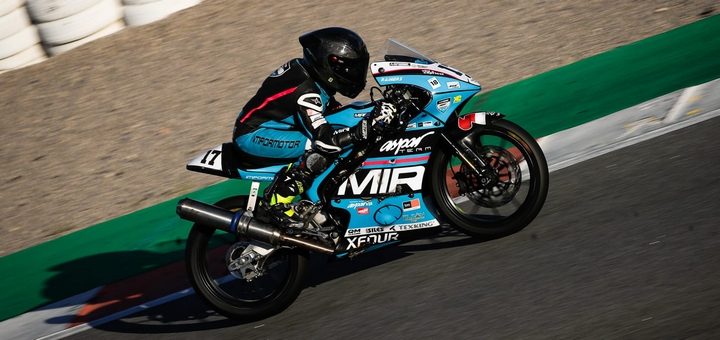











Accidents and fatalities happen because of speeding and not because the car one drives is old. Most of the accidents which are happening on our roads involve many brand new cars with the latest technologies. Exotic motorbikes featuring the latest systems have also been a major cause for many road fatalities.
Many secondary roads in Gozo are in a complete mess. Take for example St Julian’s Hospital Street in Fontana, the state of the street is terrible while driving down the road to Kercem near Lunzjata Valley, I wonder if TM should be distributing four wheel drive vehicles to the public for free. Common sense should prevail !!!