Be the first to comment!
Faculty of Laws students – majority to be assessed via take-home assignments – UM
 Email item Email item
|  Print item Print item
|
|
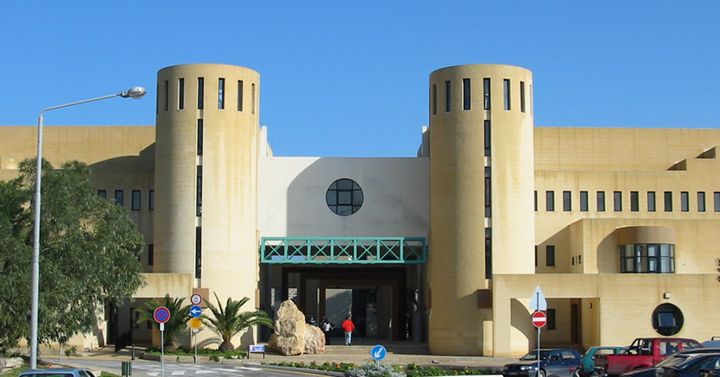 In response to the statement issued by the Law Students’ Society (GhSL), the University of Malta said that it would like to clarify some points.
It said that, in view of the Covid-19 pandemic which has led closure for the rest of the scholastic and academic year, the University of Malta had to consider alternative modes of assessment to ensure that all its students, in particular those in their final year of study, obtain their necessary grades without any undue delay.
During a meeting held on 26 March, the Senate directed all Faculties, Institutes, Centres and Schools to identify the best way to assess students, UM said.
The Faculty of Laws, after convening the Faculty Board on the 13 April, decided for a “combination of take-home assignments and take-home exams.”
UM confirmed that “in the majority of cases, students of the Faculty of Laws will be assessed via take-home assignments and not take- home exams.”
The claim that students’ representatives on the Faculty Board were “unexpectedly stripped from their voting rights” during the Board meeting is “not truthful,” UM said.
It explained that at Faculty Board meetings (like in other meetings such as those of Senate), a formal vote is only taken when there is “serious and widespread disagreement on a particular issue.”
Since this was not the case on that particular occasion, and since nobody asked for a formal vote either, “the proposal was considered as approved,” the UM said.
The UM pointed out that the decision was taken “after more than one hour of discussion and debate, during which debate, everybody including the Student Representatives on the Board (and other invited students) were given sufficient opportunity to make their respective cases.”
The University of Malta added that when it suspended teaching in lecture rooms due to Covid-19, the Faculty of Laws stopped lectures for one week, during which time, all lecturers were trained in alternative virtual methods of teaching.
Lectures in many subjects in this and other Faculties continued during the Easter Recess in an attempt to make up for lost time and any future (as yet unforeseen) disruptions, it said.
Not all lecturers could lecture during the Easter Recess, but, UM said, “all are committed to cover topics within the stipulated remaining lecturing period to ensure that students are adequately prepared for assessment, whether through a written take-home assignment or a take-home exam.”
The University concluded by saying that it believes that it was “premature for GhSL to claim that students will be forced to sit for exams which the Faculty of Laws has failed to prepare them for.