Be the first to comment!
Population up 28% to 542,000 and attributed to foreign population growth
 Email item |  Print item |
|
 The National Statistics Office has today provided data with the results of the intercensal benchmark revisions of population and migration statistics for the time-series 2012 to 2021.
Results show that from 2012 to 2022, the resident population of Malta grew 28.6%, from 421,464 to 542,051.
The NSO said that the increase in population was “attributed primarily to the growth in the foreign population.
The share of foreign nationals increased from 5.5% in 2012, to 25.3% in 2022.
The NSO said that the growth in the population between 2012 and 2022 has resulted in an increase in population density.
The population density for the Maltese Islands in 2012 stood at 1,337 resident population per km2, this increased to 1,721 per km2 in 2022.
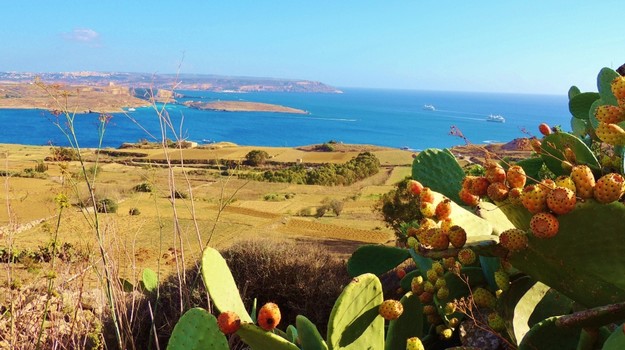
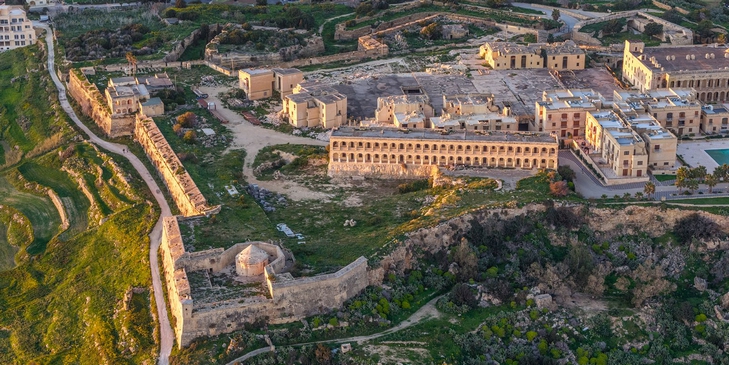
Gozo and Comino remained the district with the smallest resident population, with only 7.4% of the total population resident in this district in 2022.
Gozo and Comino was also the least densely populated district at 585 resident population per km2.
The NSO said that when considering individual localities, Ghasri remained the least densely populated locality in Malta and Gozo, with a population density of 103 resident population per km2 in 2022.
Other results found that;
In 2022, males outnumbered females at 52.5% compared to 47.5%.
St Paul’s Bay overtook Birkirkara as the locality with the largest population at 35,419 residents, while Sliema was the densest. Mdina remained the locality with the smallest population.
The crude death rate has remained relatively stable between 2012 and 2022, with on average, 8 resident deaths annually per 1,000 resident mid-year population.
The NSO noted that on the other hand, the crude birth rate has experienced a general decline from approximately 10 resident live births per 1,000 resident mid-year population in 2012, to 8 in 2022.
The NSO said that data for reference year 2022, which were estimated using the 2021 Census of Population and Housing as base, have also been included.
It explained that annual counts of resident live births and resident deaths were not revised, however fertility and mortality indicators estimated over the population were revised, since the computation of these estimates depends on population counts which were directly affected by these revisions.
The NSO noted that these estimates supersede the previous estimates for this series.
File photo: Gozo News/Alain Salvary