Be the first to comment!
Poor water quality and overcrowding are excluding persons with disabilities from beaches – MFOPD
 Email item |  Print item |
|
The Malta Federation of Organisations Persons with Disability (MFOPD) is calling urgent attention to a growing problem for persons with disabilities.
“While Malta and Gozo boast some of the cleanest waters in the EU overall, many popular urban beaches are increasingly polluted, overcrowded, and inaccessible – effectively shutting out persons with disabilities,” stated MFOPD.
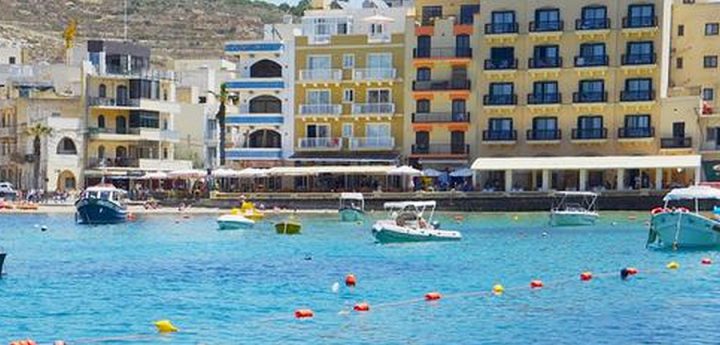
It highlighted the fact that popular beaches such as Xlendi Bay in Gozo, St. George’s Bay, Sliema and St. Paul’s Bay frequently rank among the lowest for water quality due to sewage overflows, wastewater runoff, and tourism surges. Sometimes bays are closed due to contamination.
Despite these trends, the MFOPD said that these beaches remain some of the most frequented – leaving persons with disabilities few clean and accessible alternatives.
“This is not just about accessibility infrastructure. It’s about dignity and safety,” said a spokesperson for MFOPD. “When polluted seas eliminate the already limited number of accessible beaches, the result is overcrowding at the few that remain- and exclusion for many.”
It went on to say that although some beaches, like Ghadira Bay, Ramla Bay, and Golden Bay, are equipped with accessible facilities such as ramps, toilets, and beach wheelchairs, these locations quickly become overpopulated. “Reserved parking is taken early, facilities are stretched beyond capacity, and access walkways are often blocked by private concessions.”
MFOPD warned that “the combined effect of poor water quality, overcrowding, and inadequate enforcement of accessibility standards is creating a form of environmental exclusion for persons with disabilities.”
MFOPD is therefore calling for immediate action:
Increased water quality monitoring
Stronger, enforced accessibility standards on all major beaches
Enforced accessible parking and public transport access
Regulation of deckchair and commercial operators to protect access pathways
“A beach is a public space. If it is not accessible, it is not truly public,” said MFOPD President Marthese Mugliette. “We call on local authorities, tourism operators, and environmental regulators to work with us toward inclusive beach access for all.”
File photo: Gozo News/Alain Salvary