Be the first to comment!
Nature Trust (Malta) concerned about valley degradation
 Email item Email item
|  Print item Print item
|
|
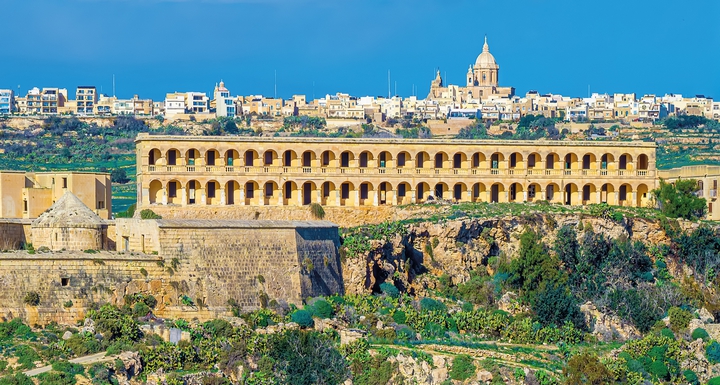
Nature Trust (Malta) has said that it is concerned about recent reports from its members and the public about the degradation of Buskett and Bahrija’s important valley systems – both of which are highly protected sites on a national and international level.
Recently the NGO received reports and photographs depicting degradation at Wied il-Luq, limits of Buskett, where fresh tractor tracks could be seen on the sensitive valley bed, which is home to restricted watercourse vegetation communities, including species such as the Blue Speedwell Veronica anagallis-aquatica, and the Compact Galingale Cyperus longus. A patch of Cyperus longus has been completely wiped out. NTM said that educational activities planned on site were rendered impossible due to damage to the path adjacent to the watercourse.
“Other tracks can also be seen on sensitive and protected flora in the area, particularly on a patch inhabited by the Stinking Iris Iris foetidissima, a species of wild Iris only found in the Maltese Islands. The valley bed is also populated by Malta’s only amphibian, the Painted Frog, which is protected by law. Because of a lack of law enforcement, people are also still seen collecting tadpoles in jars,” NTM said.
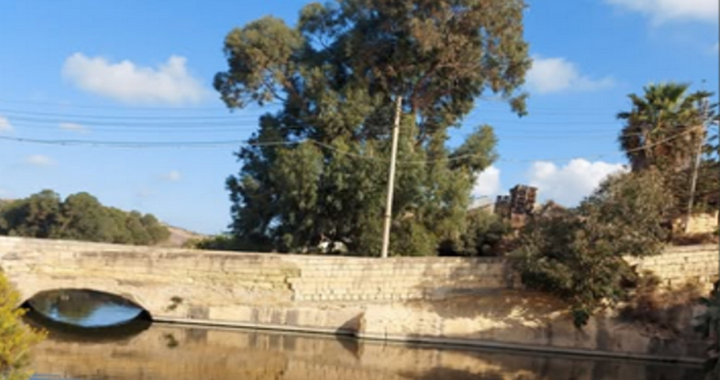
“As for the Bahrija Valley,” NTM continued, “rubble and fresh tracks indicate that illegal activity has been taking place at the exact location of the habitat of the Maltese Freshwater Crab. Part of the stream alongside a rubble wall has been filled with soil and no water streams run through this protected site any longer. Furthermore, reeds found close to the area have been cut down and burnt. The reeds used to form a canopy over small pool where freshwater crabs had been observed over a number of years.”
Photo shows top, Wied il-Luq, limits of Buskett and bottom the Bahrija Valley.