Be the first to comment!
Alcohol use in teenagers higher than EU average – Survey
 Email item |  Print item |
|
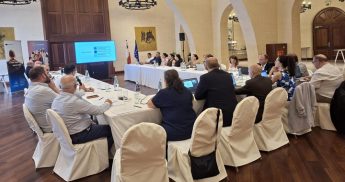
 The International Report on the 2011 European School Survey Project on Alcohol and Other Drugs (ESPAD) has been launched by Sedqa, the National Agency against Drug, Alcohol Abuse and Compulsive Gambling.
The ESPAD provides a reliable overview of trends and a comprehensive picture of licit and illicit drug use among European adolescents through comparable data on a European level with regards to the use of tobacco, alcohol and other drugs. This study has become a leading measure of substance abuse among young people in Malta. It offers a scientific indication of the prevalence of substance misuse and the prevailing attitudes and significant factors that influence both prevalence and attitude, thus offering a scientific base for professionals in the field.
This data also provides an insight into the policies and practices required in the field, and it also serves as a scientific tool by which national and international polices, practices and strategies are evaluated.
It is locally coordinated by Agenzija Sedqa in collaboration with the Directorate for Educational Services (DES), the Student Services Department, Education Psycho-Social Services; the Anti-Substance Abuse Service within the Education Psycho-Social Services; the Directorate for Education in Church Schools; and the Independent Schools Association (ISA).
This is the fifth ESPAD study, which was conducted in 2011 amongst almost 105,000 students from 39 countries across Europe, to examine the prevalence of substance use and related attitudes and behaviours amongst 15-16 year old students. This study follows those conducted in 26 countries in 1995, 30 countries in 1999, 35 countries in 2003 and 35 countries in 2007.
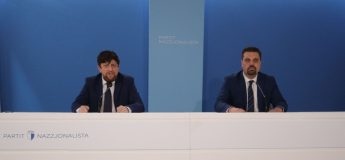
The local exercise was coordinated by Ms Sharon Arpa, Research Senior Executive within the Foundation for Social Welfare Services, who presented the summary of the ESPAD results during this afternoon’s press conference. A questionnaire was distributed to 15-16 year old students in Form 5 (a total of 3,377 students) in all local secondary schools in February 2011.
The overall results for Malta show that in general there was a small decline in a number of tobacco and alcohol related variables and a decline in illicit drug use. Several variables for Malta are also lower than the European average, such as:
• Lifetime use of illicit drugs amongst the participants in Malta is 12%, lower than the ESPAD country average of 18%;
• Lifetime cannabis use amongst the participants in Malta (10% of respondents) is lower than the ESPAD country average (17%);
• 22% of respondents in Malta reported that they smoked during the previous 30 days, while the ESPAD country average is 28%.
However, the use of inhalants is still higher in Malta than in several other ESPAD countries. Lifetime use of inhalants by respondents in Malta is 14% (a decline from the 16% reported in the 2007 study), while the ESPAD average is 9% (which is the same as that found in the 2007 study).
Alcohol consumption by respondents in Malta is also slightly higher than the ESPAD average (alcohol use during the past 12 months by respondents in Malta is 86%, while the ESPAD average is 79%).
Alcohol remains the most widely used substance amongst respondents in Malta. Malta also has higher prevalence rate for heavy episodic drinking, with 56% of participants in Malta reporting drinking 5 or more drinks on one occasion in the previous 30 days, when compared to the ESPAD average of 39%.
Mr Francis Borg, Permanent Secretary within the Ministry for Justice, Dialogue and the Family, in his address praised the existing networking between all stakeholders working in the field of substance abuse – both regarding treatment services and prevention.
Mr Borg reiterated that it is of the utmost importance for policy makers in the area of youth policy, family policy, youth workers and community leaders to form one common front to address collectively the impact being caused by licit and illicit substance abuse.
He said that the government supports these goals and initiatives and referred to the introduction of the law setting minimum alcohol consumption age in 2007 and its amendment in 2009 and how this could have resulted in the decline in alcohol consumption rate over the previous 12 months reported in the 2011 report (85.8%) over that of 2007 (87.4%). Mr Borg also referred to fact that the Ministry for Justice, Dialogue and the Family is currently finalising a national Alcohol Policy.
In his address and presentation of the 2011 ESPAD International Report, Dr George Grech, Sedqa Clinical Director, referred to the decline in the use of illicit substances and how this can be the result of effective preventive measures and timely community interventions that address the needs of young people.
However he also emphasized the importance of collaboration between all parties including parents, educators, law enforcers and entities working in the field to address the issues leading to substance abuse – mainly alcohol abuse that continues to be so widely accepted. He said that preventive measures would only render the expected effect successfully through such networking and when all stakeholders act within set policies and new ones which need to be developed.
Ms Sina Bugeja, Chief Executive Officer of the Foundation for Social Welfare Services, thanked all local stakeholders participating in this initiative and also mentioned that in the coming weeks the Maltese National Report is going to be launched, focusing solely on results obtained by Maltese participants.
A copy of the 2011 ESPAD International Report is available for download from here.