Be the first to comment!
New mobile phone app will help to track marine litter
 Email item Email item
|  Print item Print item
|
|
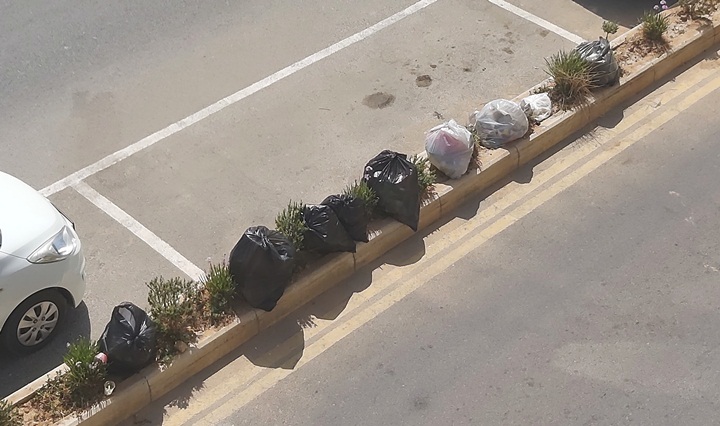
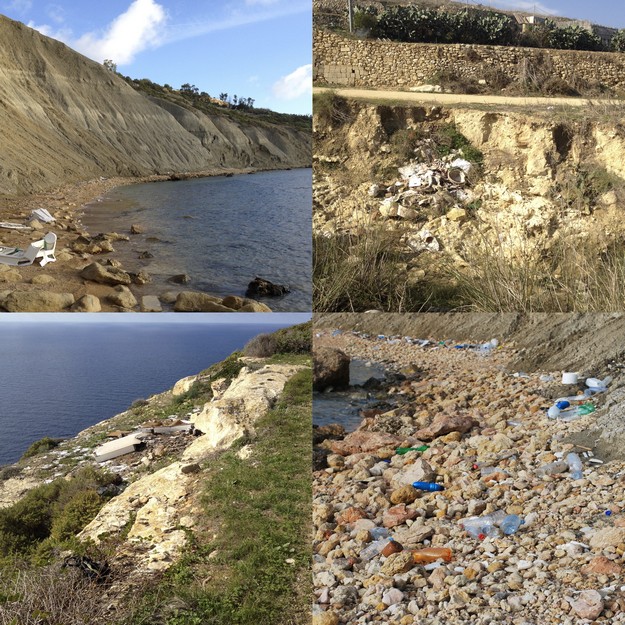 Marine litter is recognised as a growing pressure on coastal and marine environments. It has cross border impacts on wildlife and habitats as well as on human activities and health. It is a societal problem that needs our engagement.
People will soon be able to report the litter they find on the beach, thanks to a new mobile phone app developed by the European Environment Agency (EEA).
Marine litter is accumulating in our seas and coasts mainly due to current unsustainable consumption patterns and behaviour. It is an increasing threat to the marine environment, to human health and our well-being. European Union Member States are addressing this problem through the Marine Strategy Framework Directive (MSFD). As marine litter is a societal issue, engaging citizens to better understand, prevent and reduce it, is crucial.
At present, there are insufficient data to properly assess the problem of marine litter. Citizens can play a major role in enriching the data and information needed to support marine litter management and prevention.
Huge amounts of plastic and other debris are increasingly found in the sea, harming marine wildlife and potentially threatening human health. However, the composition, movement and origins of rubbish ending up in our seas and on beaches are still not widely understood.
By being actively engaged in data collection activities, citizens and communities may become aware of environmental issues prevailing in their local areas. This awareness is key to help support changes towards sustainable practices and behaviour.
Reflecting on the need to fill data gaps as well as the aims of involving citizens in environmental issues such as marine litter, the European Environment Agency (EEA) has developed the Marine LitterWatch (MLW). This approach combines citizen engagement and modern technology to help tackle the problem of marine litter.
MLW aims to help fill data gaps on marine litter found on beaches relevant for the MSFD, while involving citizens in its collection and monitoring. In addition, it allows the collection of other types of data from initiatives such as clean-ups.
MLW builds on the MSFD monitoring guidelines developed by the Technical Group on Marine Litter, a group of experts established to support the MSFD implementation. MLW depends on three key elements: organised citizen groups (the ‘communities’), a mobile application and a database.
Surveys on items found on the beach can then be created through MLW. In time, the public data collected by MLW should allow for a better understanding of marine litter distribution and composition, and hopefully support its management.
MLW aims to enable national and local communities already involved in marine litter tasks, such as NGOs and civil society initiatives, to participate in a European attempt to address marine litter issues. MLW also aims to inspire new communities to emerge.
The aim is to empower citizen networks throughout Europe with MLW and help improve the evidence base needed to reach the MSFD main objective of ‘Good Environmental Status’ of Europe´s seas by 2020.
MLW has been developed by the EEA in collaboration with the Marine Conservation Society, the Institute for Water of the Republic of Slovenia, the North Sea Foundation and the PERSEUS FP7 research project.
MLW is currently available for Android devices. It can be downloaded from the Google Play Store. MLW for iPhone and iPad will be made available in the App Store from April 2014. MLW is free of charge.
More information on how to use MLW can be found here.