Be the first to comment!
Liquigas cylinders are “regularly tested and certified,” says company
 Email item Email item
|  Print item Print item
|
|
Liquigas has said in a statement today that its cylinders “are regularly tested and certified” and that “gas is safe as long as it used properly.”
It added that “the details of the latest two incidents involving gas as carried in some media, unfortunately were not correct as none of them involved exploded cylinders.”
“One was the result of a defective appliance and the other was due to a cracked rubber pipe. The first of the three recent incidents is under a magisterial investigation and therefore one cannot make any statement until the enquiry is concluded,” explained a Liquigas Malta spokesperson.
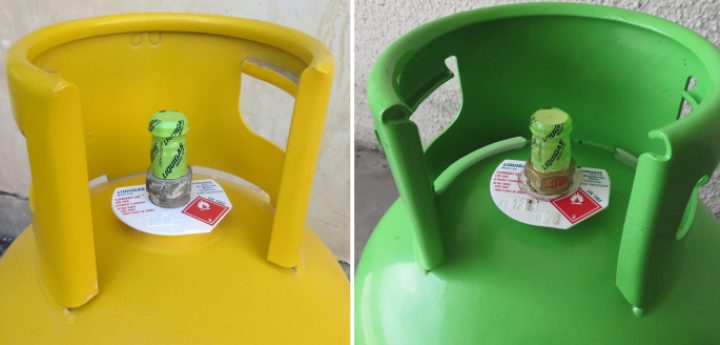
Liquigas added that “all its green and yellow cylinders are filled in a modern €25 million state of the art facility at Benghajsa, which tests each individual cylinder before being distributed in the market.”
It also explained that cylinders are “regularly tested and certified by TUV, a technical inspection association that conducts testing to international standards and directives that are endorsed by leading quality and safety marks.”
The Maltese authorities oversee the filling operations and have always found that Liquigas cylinders comply with all regulations, the company said.
Liquigas urged its customers “to ensure that the appliances are well maintained and that the regulator and rubber hose are in a good condition.”
“Some regulators on the market are not of good quality,” it said. “In any case, regulators should be replaced every 10 years. The old regulator should be disposed of immediately so that it is never used or installed again.”
Regulators are precisely set by the manufacturer to control the pressure of the supply, and therefore they must not be adjusted privately, the company said.
“Only hoses specifically manufactured to serve as a gas pipe should be installed. These should be regularly checked for possible cracks and, moreover, replaced every five years. Gas like any other fuel is safe as long as it is used properly.
“If a leak is suspected, gas should be immediately turned off and the regulator removed from the cylinder valve. All the doors and windows should be opened for adequate ventilation,” Liquigas said.
Liquigas also urged its customers to check that the cylinders they are receiving have a Liquigas-branded seal.” The spokesperson explained that this seal has a serial number for identification and traceability with the words ‘Liquigas’ on it.
This seal offers peace of mind to customers as it shows that the cylinder has been tested and properly filled at Liquigas facility, and therefore carries the guarantee of quality, he said.
From time to time, Liquigas distributes information leaflets to households to maintain awareness about safety issues when using gas cylinders.