Be the first to comment!
Municipal waste generation increased by 5.0% in 2018 – NSO
 Email item Email item
|  Print item Print item
|
|
 Municipal waste generation had reached 310,041 tonnes by the end of 2018; up by 14,711 tonnes or 5.0% over 2017, the National Statistics Office said today.
It noted that this increase was mainly driven by higher volumes of bulky waste amounting to 5,189 tonnes; followed by biodegradable kitchen and canteen waste at 4,375 tonnes and mixed packaging at 2,668 tonnes.
These increases were partly offset by a decrease in the generation of mixed municipal waste of 2,343 tonnes.
The NSO explained that data comprising the origins of municipal waste generation indicates that the major increase was registered in the organic waste collection; amounting to 141.7% or 4,327 tonnes over 2017.
This development resulted from the nationwide roll-out initiated at the end of October 2018 of the organic waste collection from households.
Another notable increase of 4,152 tonnes was also recorded in the grey/green bag and glass collection.
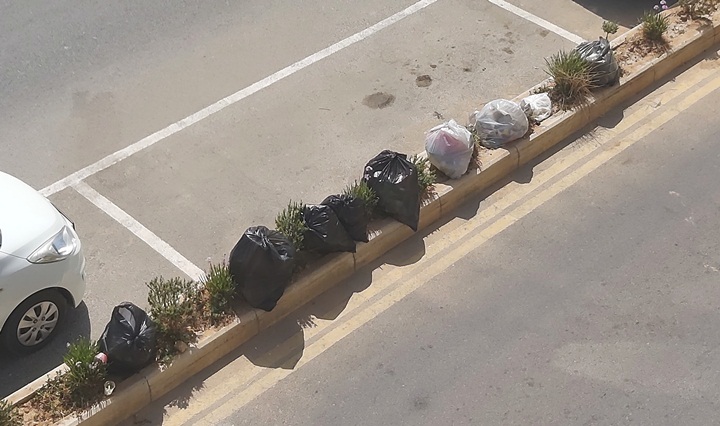
On the other hand, the black bag collection of waste that is not in the remit of local councils dropped by 3,836 tonnes.
The total amount of municipal waste treatment increased by 22,474 tonnes or 8.5% over 2017; reaching a total of 286,750 tonnes. The share of landfilling from the total municipal waste treated stood at 92.9 per cent; up from the 92.2% level recorded a year before.
The combined amount of dig estate, refuse-derived fuel and rejects that originated as secondary waste from pre-treatment operations amounted to 42.4% of all landfilled municipal waste in 2018.
The NSO noted that when compared to 2017, municipal waste recycling dropped by 0.7 percentage points to 7.1 per cent of the total municipal waste treatment.
Municipal waste recycling in 2018 was mainly made up of paper and cardboard (35.1%), metals (22.3%) and glass (18.1%).