Be the first to comment!
Study on the conservation of the protected Maltese Freshwater Crab

 Email item Email item
|  Print item Print item
|
|
A study on the Maltese Freshwater Crab (il-qabru) has been commissioned by the Environment and Resources Authority (ERA).
The species is protected in Malta since 1993 and various locations where it is found are also protected. It also has interesting cultural implications and has also featured in stamps and the old Maltese 5c coin.
The Authority said that this study is being carried out as part of its commitment to the protection of national species following the designation of the species as the National Invertebrate in Malta in 2018.
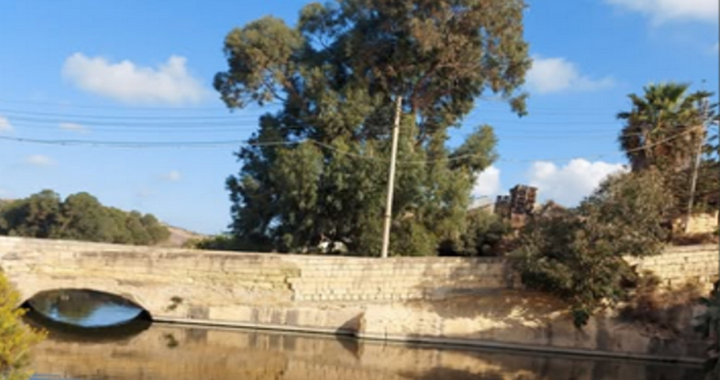
The animal is known from a few locations in Malta and Gozo with natural perennial or near-permanent freshwater springs (ghejun) capable of holding fresh water for the whole year and is mainly threatened due to scarcity of water resources and drought.
In order to ensure focused conservation efforts, ERA and the University of Malta embarked on a study to assess the current status of this species in the Maltese Islands. These studies have identified dedicated management and conservation measures required for the protection of this species.
The ERA explained that the study further delved on the identification of pressures affecting this species and its habitat.
It stressed that the availability of freshwater remains a critical pressure for this species, with water management practices, including groundwater and surface water abstraction, the modification of the hydrological flow and contamination being considered as pressures threatening this species.
The introduction of the invasive alien species, including the crayfish may also expose the freshwater crab to further pressures, which could lead to competition for food and habitat, while also risking to be affected by the spread of diseases carried by the invasive crayfish, the Authority said.
ERA said that it will be taking into consideration the recommendations forwarded by the study for best local freshwater crab conservation management, to ensure the maintenance and improvement of this species conservation status.
Mr Darrin Stevens, Deputy Director on Environment and Resources within ERA noted that “the updated and accurate knowledge acquired from this joint study between ERA and the University of Malta, will now be assisting in the development of policy with focused measures and awareness raising to ensure effective conservation of the threatened freshwater crab.”
Prof. Adriana Vella, lead scientist of the Conservation Biology Research Group, at the Department of Biology, University of Malta, who coordinated the national study, added that “This study pioneers the use of various scientific techniques, including molecular genetics, for the necessary conservation investigations linked to such local species in urgent need of tangible protection measures. The latter will need to see the full cooperation of the public and in particular land owners that are lucky to host such unique creatures of national importance.”
The Maltese freshwater crab (Maltese: il-qabru; il-granc tal-ilma helu) is the National Invertebrate in Malta, declared as such in 2018 through the Species Protection (Designation of National Species) Regulations (SL 549.120).
The Authority said that the animals are an important component of our biodiversity, with adult crabs mainly foraging at night, preying on smaller animals including snails, but also tadpoles and adult frogs, but is also known to scavenge on various remains, including decaying plant matter.
Living to a maximum of 12 years, the species is known to dig burrows reaching 80cm in depth, with multiple openings so as to provide shelter against predators, drought and floods.