Be the first to comment!
EcoGozo continues to safeguard endemic biodiversity

 Email item Email item
|  Print item Print item
|
|
One of the EcoGozo Directorate roles within the Ministry of Gozo is to safeguard indigenous and endemic species in Gozo and support their growth, especially if found in protected Natura 2000 sites.
This mission involves other tasks such as administration and education to promote awareness, but it said that the major part of this work is not done from the office but in the field.
The restoration of the Xlendi Tower, under the management of the local council of Munxar (mayor Damien Spiteri), involves an investment of €355,000 and includes maintaining the tower’s outer border and its perron staircase.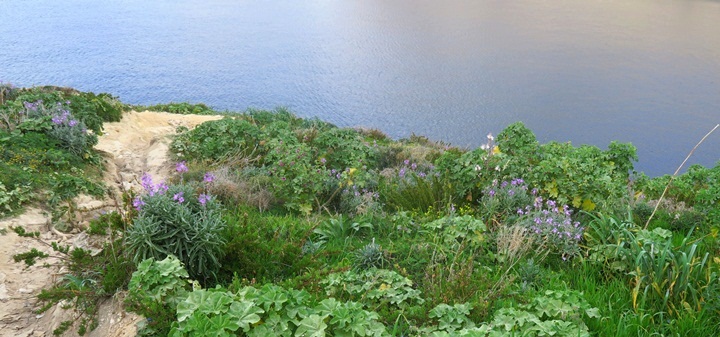 In these whereabouts are located tens of plants of the endemic and protected Maltese Stocks (Matthiola incana subsp. melitensis), locally known as Gizi ta’ Malta.
The species looks similar to the common wild stocks (subsp. incana), but the flowers are pastel purple instead of deep purple, and the leaves are coated with fine silvery hair throughout and are more succulent. Apart from being only found in the Maltese Islands, about 90% of this endemic population occurs in coastal areas around Gozo.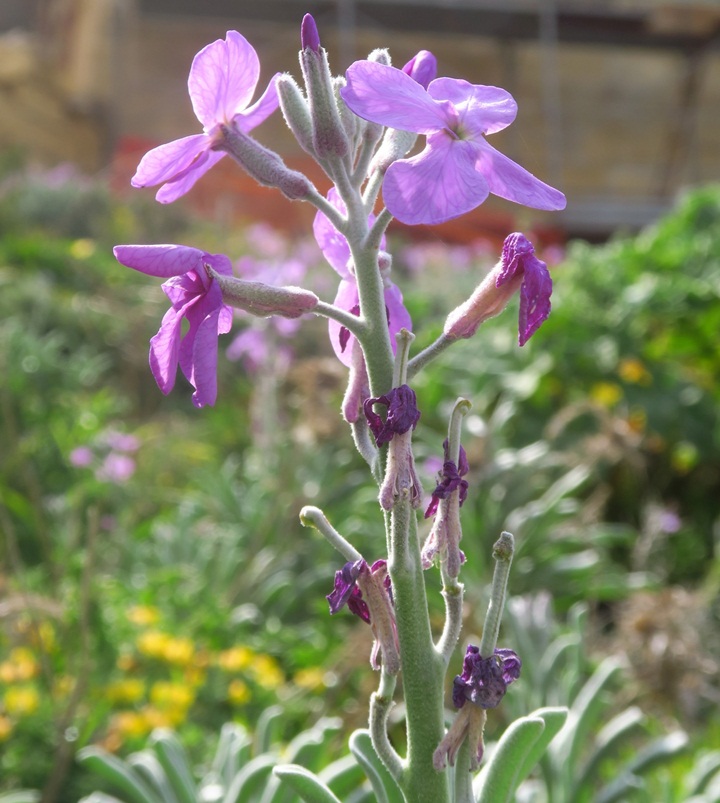 Therefore, the Maltese Stocks is one of the four plants that are sometimes referred to as Gozo endemics, meaning that they are only found in Gozo, together with the Maltese Everlasting (Sempreviva ta’ Ghawdex), the Gozitan Hyoseris (Zigland ta’ Malta) and the Gozitan spider orchid (Dubbiena ta’ Ghawdex).
The EcoGozo Directorate stepped in to assist and preserve these protected plants growing close to the Xlendi tower before the maintenance work commenced.
Under the management of their resident botanist, Stephen Mifsud, about 30 plants have been successfully translocated from this site to a location close by, backed with nature permits from ERA.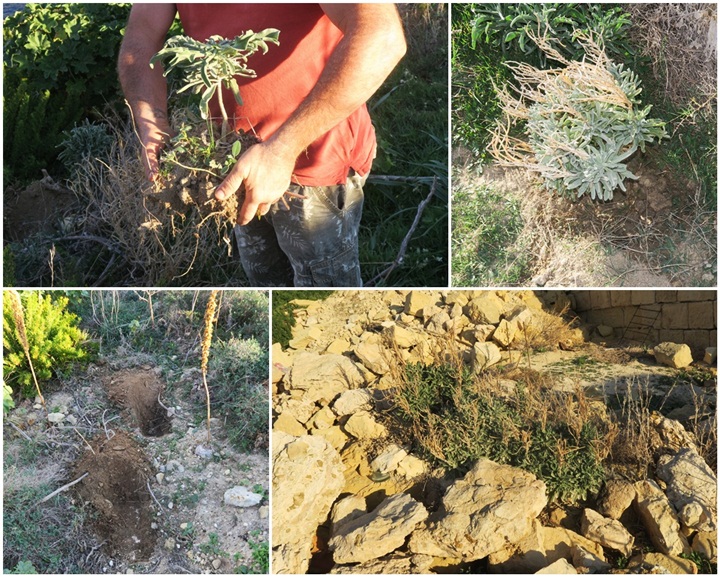 The most difficult to translocate were those plants growing from rubble walls, and the operation, aided with personnel from the Munxar local council, included to dismantle the stones one by one to remove the plants with soil or stone debris without damaging their roots. Plants were transferred at the northwest side of the tower, which according to the botanist, it was the ideal place for surviving and take ground.
The local council of Munxar periodically watered the translocated plants until rain precipitated regularly and the plants get hold of their new ground. EcoGozo monitored the population periodically.
During the last visit, many plants started to flower, suggesting that the translocation is a success and will set seed to reinforce their population.
The Director of EcoGozo has welcomed this effort to conserve protected species and praised the co-operation with the local council of Munxar stating that where there is a will there is a way to safeguard nature.