Be the first to comment!
Sea bins being utilised towards combating marine protection

 Email item Email item
|  Print item Print item
|
|
Works are ongoing to combat marine pollution, and will include a number of initiatives, including the use and maintenance of a number of sea bins to trap small pieces of litter and plastic which are improperly disposed of and end up in the sea, harming marine ecosystems and living species.
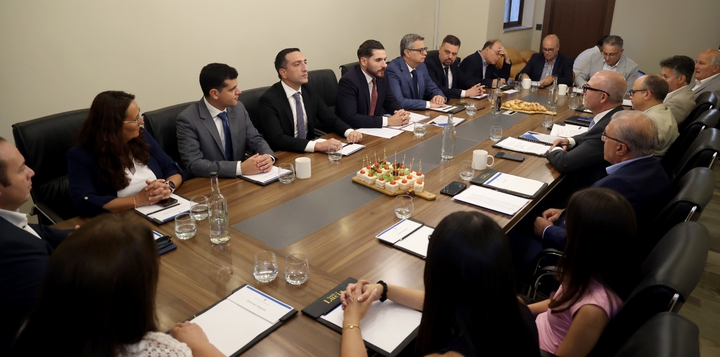
This will be made possible through a collaboration between the Ministry, the Environment and Resources Authority (ERA), and the eNGO #Zibel.
The litter which will be trapped by these sea bins will later be analysed and studied in detail, and the related data will be used to develop new environmental initiatives to prevent some types of litter from eventually ending up in the sea.
This was announced by Minister for the Environment, Climate Change and Planning Aaron Farrugia, who spoke on the importance of collaborations with various stakeholders and environmental organisation for common aims: those of safeguarding our environment and the quality of life, and also the security of some economic sectors.
Plans for the future will also include a number of clean-ups on land and also clean-ups in marine-protected areas, monitoring of the seabed to identify new areas which can be cleaned, the retrieval of disused fishing material such as fishing nets, and also the exportation of collected material for recycling, the Minister said.
“The information that will be collected through this collaboration will be crucial for Malta, as it will aid in other works being done to reduce marine litter and to create awareness on the harm caused by single-use-plastics – the same message conveyed during the Saving our Blue campaign,” he said.
This work is being carried out at the opportune time, as it is paving the way for the total prohibition of sale of single-use-plastics in Malta as from January of next year.
The Minister reiterated that Malta’s dependence on marine activities remains high when compared with other small island EU member states, and for this reason we should make use of this sector in the best possible way to generate wealth and employment.
He concluded by saying that the blue economy sector accounts for 15% of the Maltese economy and generates around 27,000 jobs. “It is crucial to find a balance between economic growth and environmental preservation, also because the two are intrinsically linked.”
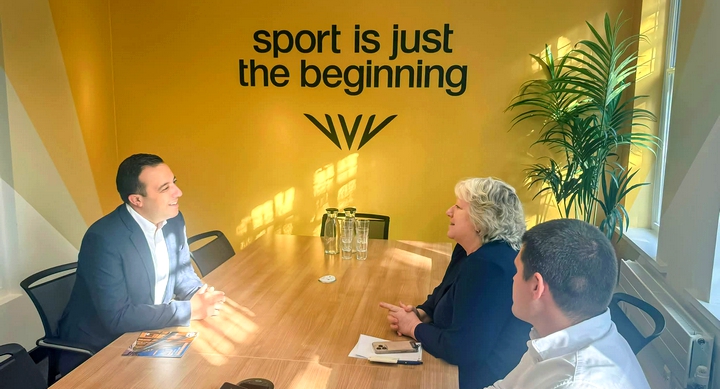
Photo: DOI/Clodagh O’Neill