Be the first to comment!
A look at weather warnings on World Meteorological Day

 Email item |  Print item |
|
On the occasion of World Meteorological Day, The Met Office is taking a closer look at the issuing of weather warnings – as the saying goes: “forewarned is forearmed.”
The World Meteorological Organisation is dedicating this year’s World Meteorological Day, which has been celebrated on the 23rd of March for the past 61 years, to raise awareness about the importance of issuing early warnings which enable the public, organisations and authorities to be prepared for and respond to certain weather and climate events.
Throughout 2021, the Meteorological Office, which is the Maltese Islands’ official weather service provider, said that it issued 256 weather warnings with the aim of helping members of the general public, mariners and entities protect themselves and dependants from the impact of high temperatures, strong winds, rain, thundery activity and coastal waves.
It explained that the severity of each warning is indicated through one of the three colours used, with yellow (be aware) signalling that the weather could have some low-level impacts on everyday activities; orange (be prepared) indicating an increased likelihood that bad weather could cause disruptions; and red (take action) indicating that extreme weather, which requires the public to take action and avoid dangerous areas, is expected.
Forecaster Martina Gatt said, “out of all 256 warnings issued by the Met Office last year, only one was red, and this was valid between 9 and 12 August as the daily maximum temperatures were expected to exceed the monthly climate norm significantly, soaring to range between 38°C and 41°C.”
She added that, “the Meteorological Office takes its responsibility of forewarning the public of bad or extreme weather events very seriously, issuing colour-coded warnings only once certain established criteria are met so as not to raise unnecessary alarm.”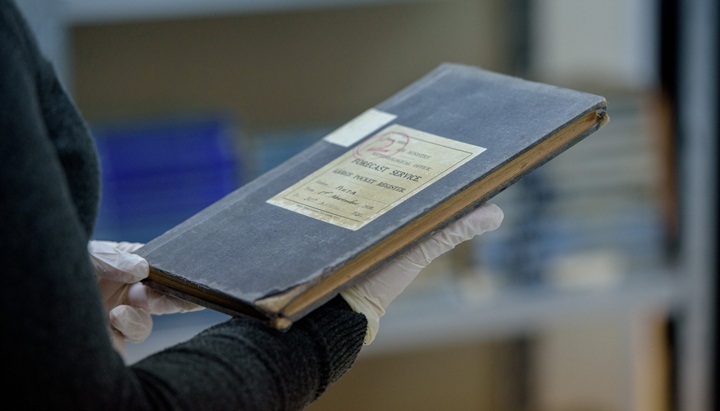 The Met Office also explained that throughout the past years, huge technological advancements and a continued investment in the latest forecasting instruments and models, have made the weather slightly more predictable than its proverbial reputation, enabling the Meteorological Office to start publishing longer term weather forecasts.
“While state-of-the art weather instruments have contributed to reducing human error and increasing accuracy, the input of human observers and forecasters is essential in the translation of weather data into forecasts which the general public can understand, as well as the adaptation of forecasts for the different sectors whose operation depends on accurate meteorological information,” it said.
The Meteorological Office explained that, through its membership of the EUMETNET network, it shares weather data with other national meteorological and hydrological service providers, with this cooperation being fundamental to preparedness and response to weather events across Europe.
One of the most successful projects of the EUMETNET network is Meteoalarm, which is the website that provides advice on exceptional weather across the continent.
The Met Office concluded that “another collaborative project that was launched more recently, in September 2021, is the data-sharing project in relation to storms and storm-naming with the aim of better streamlining the communication of such weather events.”
Photos: Martina Gatt is one of the Meteorological Office’s five weather forecasters and the Meteorological Office has been providing national weather services since 1922.