Be the first to comment!
Carrying capacity study for tourism in the Maltese Islands
 Email item |  Print item |
|
 A study commissioned by the Malta Hotels and Restaurants Association (MHRA) and conducted by Deloitte Malta – Carrying Capacity Study for Tourism in the Maltese islands – clearly shows that once all bed stock that has regulatory approval comes on line, that together with the current bed stock will require 4.7 million arrivals staying an average of just under 7 nights each to achieve an 80 per cent occupancy throughout the year.
The study was conducted by Deloitte Malta and was presented by Partners Raphael Alosio and Michael Zarb.
Deloitte noted that the study shows that expected additions to the tourism bed stock, together with the prolonged air connectivity impacts due to various reasons and other demand-side factors, if left unchecked, augur a period of low occupancy and sector profitability, which in turn could further threaten Malta’s financial and economic stability when coupled with wide issues impacting all European markets.
During the study Deloitte Malta said that they worked closely with MHRA, Gozo Tourism Association (GTA), Malta Tourism Authority (MTA) and Malta International Airport (MIA). A number of interviews were also held with other Stakeholders, including Planning Authority, Heritage Malta, Water Services Corporation, Enemalta, University of Malta, Institute of Tourism Studies, Malta Public Transport, St. Julian’s local council and Malta Union of Tourism Guides
The study raised concerns about Malta’s capacity to cater for the level of tourism growth required to sustain the existing pipeline of tourism projects and approved developments, noting that to reach 2019 occupancy rates, expected supply side increases would require up to an 80% increase in arrivals over the next 5 years or so.
The Study also showed that, already at 2019 volume levels, various quantitative and qualitative indicators were suggestive of an undesirable level of stress on key limiting factors that impact both the tourism experience offered in Malta as well as the quality-of-life of residents.
It noted that such limiting factors include the country’s broader infrastructure, particularly in regard to the sewage network in certain areas, broad environmental impacts concerning specific tourism hotspots as well as more indirect matters associated with the sector’s “unsaturable thirst for expat workers and resulting urbanisation pressures.”
The study included a detailed literature review and data analysis of key tourism indicators.
It found that when asked to identify tourism assets and areas that are relevant to the national tourism product and that appeared to suffer from significant negative impacts of over-tourism, stakeholders raised concerns over the extensive crowds at:
• Key beaches (Mellieha, Golden Bay, Ramla Bay, Blue Lagoon and St George’s Bay).
• Key historic centres (Citadella Victoria, Mdina, Valletta (including St. John’s co-cathedral) and the Three Cities).
• Key coastal/urban tourism centres (Mainly Paceville, Sliema, St. Julian’s, and St Paul’s Bay)
• The study noted that whilst available data is imperfect, it nonetheless supports stakeholders’ concerns in this regard.
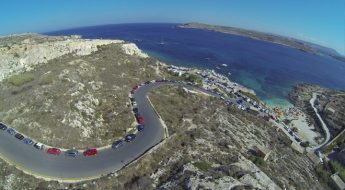
Peak beach density for Maltese beaches are estimated to exceed the average for Europe (6.8 persons per sqm per day). Blue Lagoon and Golden Bay appear to be under particular stress. The study said that Comino is a sensitive biodiversity hot spot and a Natura 2000 site, “already at existing visitation rates, visitors have been reported to frequently encroach on protected areas, trampling vegetation and leading to soil degradation and desertification, and increasing litter, noise, dust, and light pollution – all of which undermine biodiversity and deter wildlife.”
“An unambiguous and enforced visitor management plan for Blue Lagoon appears warranted already at 2019 volume levels,” the study said.
It also noted that the issue is not limited to beaches. Certain historical sites and tourism zones are estimated to be nearing peak visitor density rates that are similar to Venice and sustaining significant visitation increases without controls, improved management and investments appears problematic.
“A key factor for the sustainable development of tourism is the need to avoid complacency. This is an industry where one can never stop thinking about tomorrow’s opportunities and challenges. Thankfully, our country incorporates social partners like the MHRA that continuously spark a healthy and widespread tourism debate by encompassing government, direct stakeholders and the wider community,” outlined Minister for Tourism Clayton Bartolo.
Concluding the event, Mr Andrew Agius Muscat, CEO of MHRA, confirmed that this study comes at an opportune time in which a discussion is warranted on safeguarding the future of this-key sector for the Maltese economy.
“We are faced with a very challenging economic climate in which operators are still feeling the aftermath of the Covid-19 pandemic, coupled with major disruptions due to inflationary pressures and increases in fuel and other charges across the board which could impact the purchasing power of our main tourist markets and increase operational costs,” he said.
He added that, “we need to ensure that the industry remains sustainable in the medium to long term. This study clearly indicates the births necks and the areas that need addressing. In the end most of the decisions necessary are political decisions which only government is position to take and execute.”
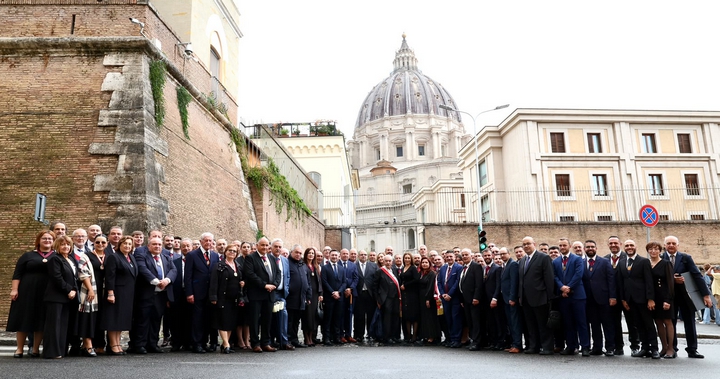
The event was attended by all the key stakeholders, from private operators to key decision makers in the public sector.
This study was co-financed by the European Social Fund, Operational Programme II – Investing in human capital to create more opportunities and promote the wellbeing of society – 2014-2020. Additional financial support was received through the NGO Co-Financing Fund 2022 of the Malta Council for the Voluntary Sector.
File photo by Alain Salvary