 1 comment.
Draft Bill enables 16 and 17-year olds to be Mayor or Vice-Mayor
 Email item Email item
|  Print item Print item
|
|
 A draft Bill has been published enabling young people aged 16 and 17 to occupy the role of Mayor or Vice-Mayor. The Bill will now be presented for discussion in Parliament.
The Government said that Malta will be the first country in the EU where a sixteen year old can be elected Mayor.
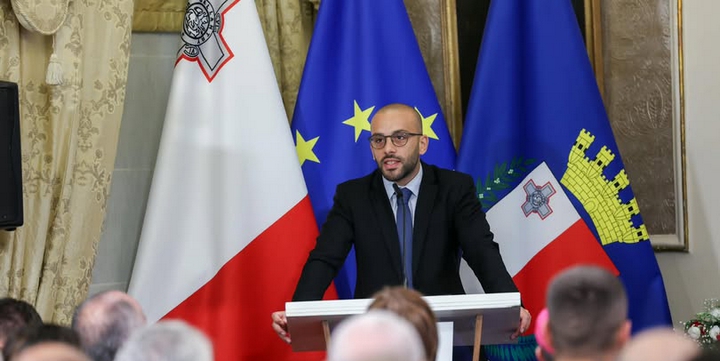
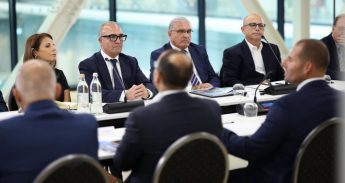
In a news conference, Minister Local Government Owen Bonnici and the Parliamentary Secretary for Local Government Alison Zerafa Civelli, presented the bill that provides amendments to the Local Government Act so that young people under the age of 18 can occupy the role of Mayor or Vice-Mayor if they gain the trust of the electorate.
Minister Owen Bonnici said that thanks to these amendments young people under the age of 18 will be able to contest and be elected in the Local Council election and if they obtain the required amount of votes, assume the role of Mayor or Vice-Mayor.
He explained that in the EU, Austria is the only other country where a sixteen-year-old person can vote in Local Elections but cannot contest as a candidate. Malta, therefore, is the first country in the EU where a person aged 16 can vote, go to the Local Elections and for the first time now if this person gets the largest amount of votes from the Party that gets the majority of votes, will also be elected Mayor.
“We are doing all this because we have great confidence in our young people and in the active role they must have in the operation of our democracy,” concluded Minister Bonnici.
Parliamentary Secretary Alison Zerafa Civelli, said that “this Government has always had great trust in young people and through this legislative change in the area of Local Government it will continue to support and strengthen that trust because it believes in the potential and energy they can offer , regardless of age.”
She also made reference to the Local Council elections scheduled for next year and encouraged more young people come forward to contest and continue to make a difference in society and the communities where they live.








Why not at primary school age ?
Life is a cycle why skip steps ?