Be the first to comment!
Thank you to Gozo General Hospital – Roy Parker

 Email item Email item
|  Print item Print item
|
|
“I would like to express my heartfelt gratitude to all the staff on the female ward at Gozo General Hospital for their kindness, dedication, and the wonderful care they have provided for our friend Patricia.
As we approach one year on March 6th, I reflect on the incredible job the doctors and nurses have done in looking after her with such compassion. It was shortly after her stay that she was diagnosed with dementia, marking a challenging new chapter in her life.
The only challenge now is finding a government solicitor to assist with her case so she can transition to a nursing home, where she can continue receiving the care she deserves.
Patricia, at 93 years old, has led an extraordinary life.
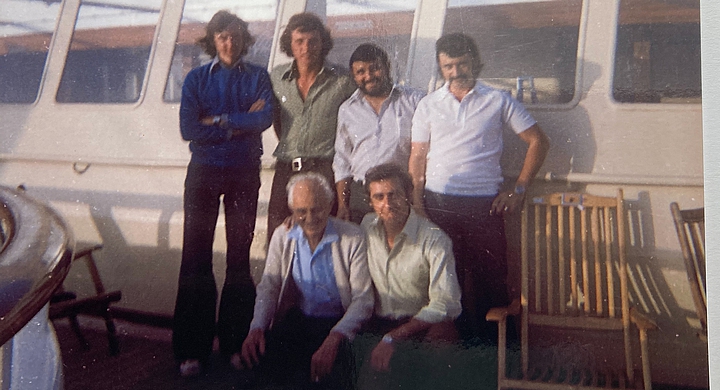
Allow me to share a little about her and how we met. In the 1980s, we both worked in the film and cinema industry, specifically with Cinema International Corporation (CIC) and United International Pictures (UIP).
She served as secretary to the President and Vice President of these companies, dedicating several years to her career. Later, she moved to India, where she got married and had a son. Sadly, after the passing of both her husband and son, she found it difficult to remain in India.
In the early 2000s, she reached out to us, initially believing we were still in the UK. She had intended to return there, but upon learning that we had relocated to Malta, she became curious about life here. We described Malta as a beautiful country, filled with friendly people and a warm climate.
A few weeks later, she informed us that she was considering moving to Malta, as she had no close friends or family left in the UK. And that is how we reconnected, bringing her back into our lives once again.
While the care provided on the female ward has been exceptional, it is important to highlight that it is not the appropriate setting for a dementia patient. It is also not fair to other patients who must share the ward with her.
Dementia patients require 24-hour specialised care, and a medical ward is designed for those who are acutely ill, not for long-term dementia care. Unfortunately, we have no say in where she can go, as there is no power of attorney in place.
This situation underscores the need for improved policies and resources for dementia patients.
There are over 100 forms of dementia, dementia is not a single disease. It’s an overall term to describe a collection of symptoms that one may experience if they are living with a variety of diseases, including Alzheimer’s disease.
Diseases grouped under the general term “dementia” are caused by abnormal brain changes. Dementia symptoms trigger a decline in thinking skills, also known as cognitive abilities, severe enough to impair daily life and independent function. They also affect behaviour, feelings and relationships.
Alzheimer’s disease accounts for 60%-80% of cases. Vascular dementia, which occurs because of microscopic bleeding and blood vessel blockage in the brain, is the second most common cause of dementia.
Those who experience the brain changes of multiple types of dementia simultaneously have mixed dementia. There are many other conditions that can cause symptoms of cognitive impairment but that aren’t dementia, including some that are reversible, such as thyroid problems and vitamin deficiencies.
Dementia is often incorrectly referred to as “senility” or “senile dementia,” which reflects the formerly widespread but incorrect belief that serious mental decline is a normal part of ageing.
Symptoms and signs of dementia. Signs of dementia can vary greatly. Examples include problems with:
• Short-term memory.
• Keeping track of a purse or wallet.
• Paying bills.
• Planning and preparing meals.
• Remembering appointments.
• Travelling out of the neighbourhood.
Dementia symptoms are progressive, which means that the signs of cognitive impairment start out slowly and gradually get worse over time, leading to dementia. If you or someone you know is experiencing memory difficulties or other changes in thinking skills, don’t ignore them. See a doctor soon to determine the cause.
Professional evaluation may detect a treatable condition. And even if symptoms suggest dementia, early diagnosis allows a person to get the maximum benefit from available treatments and provides an opportunity to volunteer for clinical trials or studies. It also provides time to plan for the future.”
Roy Parker,
Gozo.
Photo supplied by author