Be the first to comment!
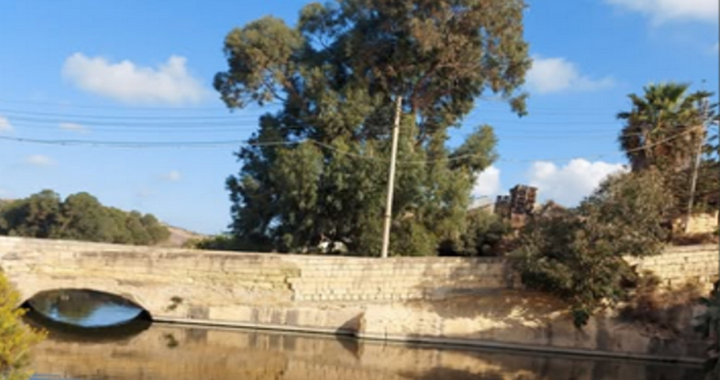
Gozo’s British-era aqueduct in Victoria granted highest level Grade 1 protection

 Email item Email item
|  Print item Print item
|
|
The Planning Authority has granted heritage protection status to three historic aqueducts from the British era, including one in Gozo, recognising them as rare testaments to Malta’s evolving relationship with water and public health.
The aqueduct in Victoria, Gozo, has been granted the highest level of protection, Grade 1 and two in Malta have been granted Grade 2.
Constructed in the 19th century during a time of rapid demographic and infrastructural change under British rule, these aqueducts reflect a period when Malta was adapting to the needs of a growing population, increased military presence, and new understandings of public hygiene.
In an era when cholera and other diseases loomed large, access to clean water became not just a matter of convenience, but of survival.
Governor General Sir Henry Frederick Bouverie played a pivotal role in addressing this challenge, commissioning major waterworks including the now-protected aqueduct that brought water from Ghar Ilma into the heart of Victoria, where it was stored in a specially constructed reservoir within the Cittadella ditch – already scheduled for protection since 1998.
The Gozo aqueduct was built by between 1839 and 1843 to bring water from the Ghar Ilma cave in Santa Lucija to Victoria.
These newly protected structures – Fawwara aqueduct in Siggiewi and the Xemxija aqueduct along Triq Ghajn Tuffieha – have been given a Grade 2 designation.
The Fawwara aqueduct, completed in 1845, supplied water to Cospicua and most of the Southern towns of Malta along its way and remains an engineering feat carved into the Siggiewi hillside.
In Xemxija, remnants of an older irrigation network still run parallel to Triq Ghajn Tuffieha. This system, likely developed in the 1830s, once served the agricultural community and may have later integrated additional sources from Ghajn Astas and San Martin.
Mr Johann Buttigieg Chairperson of the Planning Authority said, “by scheduling these aqueducts, the Planning Authority in collaboration with the Superintendence of Cultural Heritage – is not only preserving architectural heritage, but protecting the collective memory of how our communities once lived, struggled, and innovated.”
The Authority said that though no longer in use, these aqueducts stand as physical reminders of Malta’s ingenuity and resilience. They are emblematic of a time when water was gathered, stored, and transported with great effort- an era very different from today’s digital meters and pipelines.
The preservation of these rare engineering landmarks ensures that future generations will continue to learn from – and be inspired by- the legacy of water in Malta.
The full list of scheduled buildings in Malta and Gozo may be accessed from the Authority’s website.
In November 2023, Gozo Minister Clint Camilleri had said that the restoration and conservation project on the Victoria aqueduct was due to be completed by the end of 2025.
The first phase of works, the urgent consolidation of the vulnerable parts of the aqueducts, was completed in 2017 under the then Gozo Minister, Justyne Caruana.
File photo: Gozo News/Alain Salvary