Be the first to comment!
BirdLife Malta training to strengthen Malta’s capacity for nature restoration
 Email item Email item
|  Print item Print item
|
|
Last month, BirdLife Malta organised a four-day, in-person training focused on nature restoration in Malta. The training brought together key government entities and environmental organisations to strengthen national restoration capacity and to initiate collaboration among them.
Participants included the Environmental Resources Authority, the Energy and Water Agency, Nature Trust, Majjistral Park and Friends of the Earth. The sessions focused on international standards for nature restoration and best practice approaches used worldwide.
BirdLife Malta explained that nature restoration supports the recovery of ecosystems that have been degraded, damaged or destroyed by human activity. The initiative comes at a critical moment, following the adoption of the EU Nature Restoration Law in 2024.
It said that under this law, EU Member States must submit national restoration plans by September 2026. These plans must identify priority restoration areas and define measures, timelines, financing and monitoring requirements. The EU aims to restore at least 20% of land and sea areas by 2030. All ecosystems in need of restoration should be restored by 2050.
In Malta, the Environmental Resources Authority is leading the development of the National Nature Restoration Plan. The task is complex but presents a unique opportunity to address long-standing habitat degradation for the benefit of biodiversity and society.
BLM noted that despite high population density, tourism pressure, overdevelopment, limited space, and dry climate, Malta has clear restoration needs and strong potential for impactful restoration projects.
The training addressed key knowledge gaps related to restoration planning, implementation, monitoring and evaluation. It was led by wetland ecologist Patrick Grillas, representing the Society for Ecological Restoration (SER). SER is the leading global organisation setting international standards for ecological restoration.
The sessions encouraged knowledge exchange and discussion on the restoration potential of different sites. Participants also explored practical challenges and opportunities relevant to the Maltese context.
Following the success of this training, BirdLife Malta said that it hopes that collaboration among stakeholders will continue to grow, while also emphasising the importance of involving farmers, landowners and fishers. “This is in fact one of the core principles of nature restoration, where the participation of every stakeholder is essential for successful restoration planning and long-term implementation.”
BirdLife Malta expressed its thanks all participating organisations for their active engagement throughout the training. “Special thanks also go to the Environmental Resources Authority for hosting the sessions.” The training was funded by the Oak Foundation and BirdLife International.
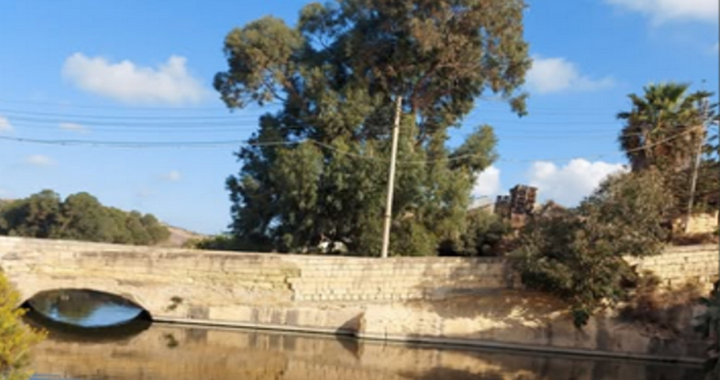
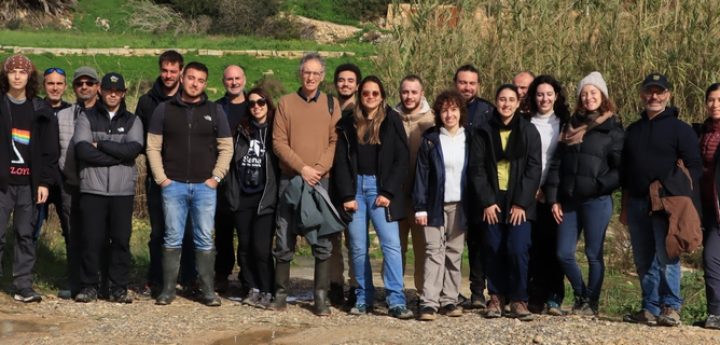
Photo: BLM – Restoration workshop participants visiting a valley system following Storm Harry