Be the first to comment!
Known To Social Services: Raising social workers’ profile
 Email item Email item
|  Print item Print item
|
|
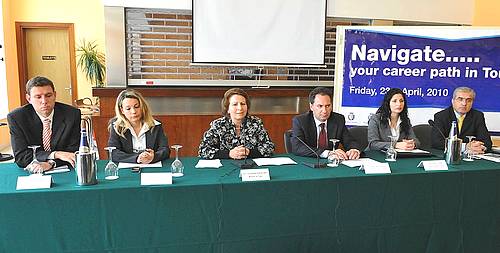
Freya Barrington, social worker and best selling author, gave a talk last Wednesday at the OASI Foundation in Gozo. She spoke about her experience as a social worker and how social workers should be proud of what they do. This is also the theme of her best-selling book, ‘Known to Social Services.’
Freya realised her calling, to be a social worker, rather late in life. She had worked in children’s residential establishments and had also been an approved foster carer for the Local Authority. She was in her mid-30’s when she decided to attend the University of Derby to train as a social worker. After 2 years of studies she achieved her goal, gaining the Diploma of Social Work (DIPSW) with a special award for excellence in practice. Freya entered the work force, specialising in Child Protection. Freya explained to those present that all social workers in the UK need to be registered with the Health and Care Professions Council (HCPC) in order to be able to practice. She also spoke about the high burn out rate within the profession due in the main to a lack of social workers; this lack of staff coupled with high workloads is an ongoing issue within the profession.
It was these high levels of stress, she said, coupled with an unreasonable work load, which led to Freya taking a break from social work after only a year in the job. With emotional resilience, objectivity and a supportive husband, Freya went back to social work after a break of nine months, taking a new, more subjective approach to her role.
Freya impressed upon her audience, who were mostly social workers, counsellors and guidance teachers that when dealing with a case, the sharing of information is of utmost importance. She noted that in Malta and Gozo this does not have as high a priority as in the UK, and had a useful discussion with her peers in this regard.
She emphasised the need for sharing information by highlighting two tragic examples from the UK, Baby P and Victoria Climbie, explaining that part of the reason for these tragedies was due to a lack of communication between professionals, and not enough information sharing.
Freya explained that it is now policy, in the U.K., that information must be shared between all professionals involved with a case of child protection, including, the police, health services and child protection service. In Malta, the child protection services have to do the job of collecting all the information necessary surrounding a particular case, she said.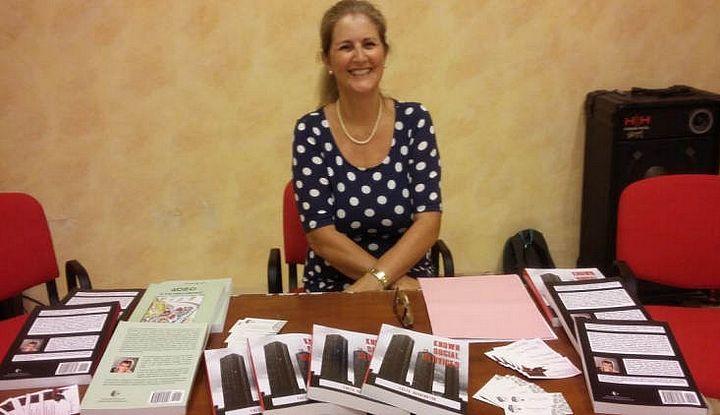 Freya’s inspiration for the title of her book, Known to Social Services, came from headlines in the U.K. newspapers and media. According to Freya, “In the U.K. every time there is a serious child case the headline reads that – The Child Was Known To Social Services.”
She explained that the social worker is often held accountable for the child’s death, even in cases when the worker had worked hard to try and protect the child in question. Freya saw this as a very negative portrayal of social workers in general and so took steps to address the issue in her book.
Freya’s book explains how difficult it can be to gain access to a child. The book’s motive is to raise the profile for social workers and show the difficulties they face.
Freya said that contrary to popular belief, a social worker, in the child protection services, cannot simply enter a home and take a child, in the U.K., even if the child is known to be at risk of harm. Although the welfare of the child is paramount, if the social worker feels that the risk is sufficient to warrant an immediate removal, the police would be called upon to use their powers to remove the child.
The social worker would then have 48 hours to apply to the courts for a more permanent order to protect the child, she said.
Freya explained that social workers have a duty to provide every possible service to the child and their family in order to try to maintain the child in their own home. However, this is sadly not always possible, and as a last resort, children would be placed with another family member, or in foster care.
The social worker’s job is to assess the risk to the child and protect them. To do this job a social worker needs to have many qualities, Freya asked her audience what these qualities might consist of and a long list was given. The most important qualities are; patience, objectivity, emotional resilience, empathy and firmness. These are only 5 of the 15 mentioned during the talk, all of which should make the general public appreciate the work of social workers.
The book can be found on Amazon and Faraxa Publishing’s e-store (http://www.faraxapublishing.com/).
Review of OASI talk by: Lydia Hope Ricards
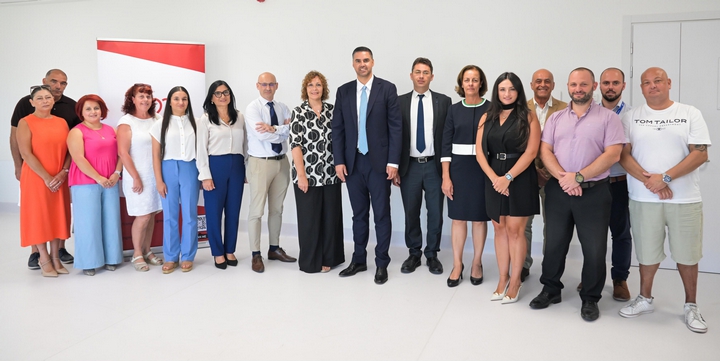
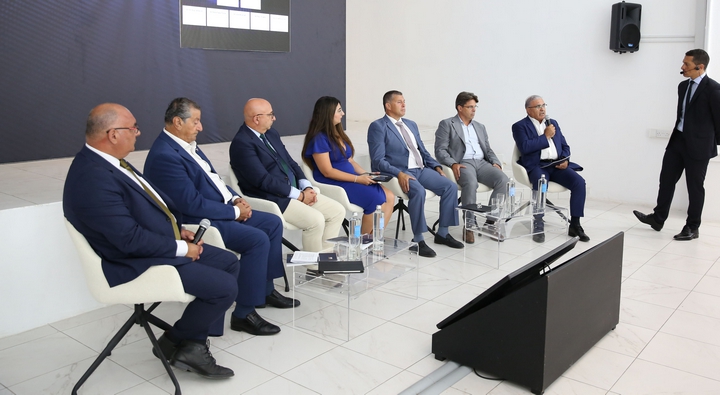
Photographs: Freya giving her talk; with the Guidance Teachers in the Anti-Substance Abuse Service and with her books.