Be the first to comment!
Over-development and abuse continues unchecked, including in Gozo – FAA
 Email item |  Print item |
|
Flimkien ghal Ambjent Ahjar in a statement, has called on the authorities to use this time to “plan for a better, healthier,” post-Covid Malta and Gozo.
FAA argued that “the Malta Developers Association’s demands for less bureaucracy to increase investment in development and Minister Ian Borg’s dreams that more Maltese will want to work in construction, show that they are completely out of touch with public sentiment.”
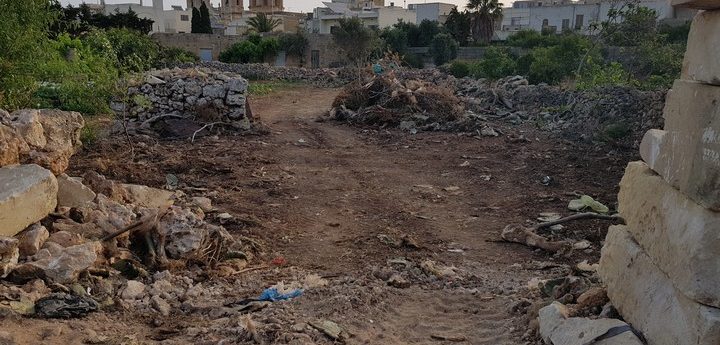
It highlighted the fact that in Gozo, “clearing fields and destroying indigenous, protected trees before submitting a development application has become a regular practice. The latest case is a large field within the Xaghra Stone Circle.”
FAA stressed that “all this area within the Ggantija AAI zone is highly sensitive for its archaeological value.”
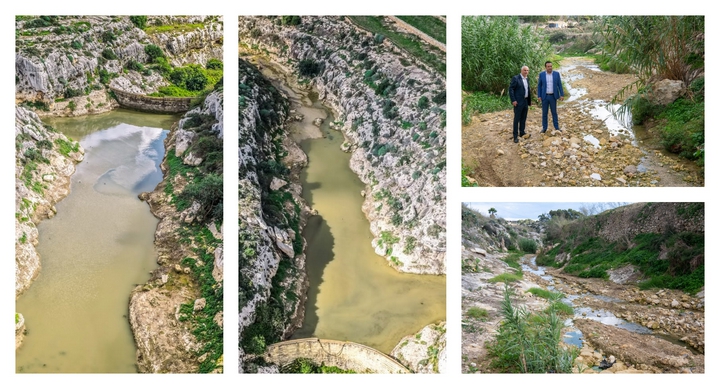
It added that, “uprooting trees with bobcats, and destroying protected dry-stone walls without any monitoring by the Superintendence for Cultural Heritage risks destroying precious archaeological remains in such a site in Gozo This abuse was reported to the Planning Authority yet no action was taken.”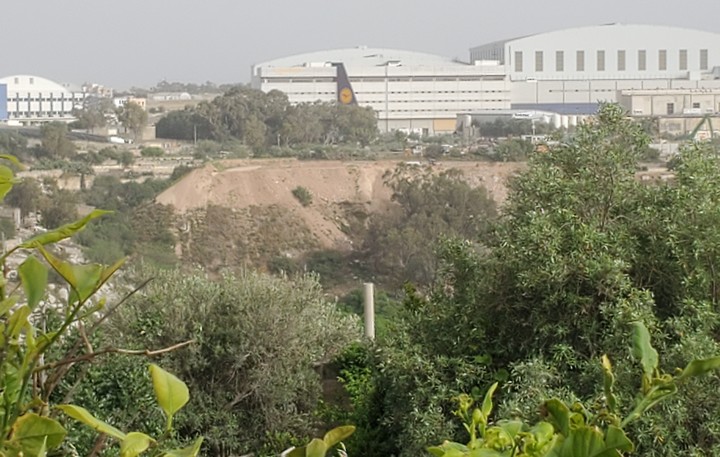 FAA argued that “as landfills reached capacity, cowboy developers are avoiding dumping charges by illegally dumping thousands of tons of debris in the open countryside, forming veritable rubble hillsides along Zebbug’s highly-protected Wied Qirda, a fact that could not have passed un-noticed, yet continues unchecked.”
“The public has had enough of development which has destroyed much of the appeal of Malta’s towns and villages,” FAA said. Adding that it is “undermining health and increasing air pollution.”
Developers applying for high-rise buildings are ignoring the effect of Covid-19 on architecture says Astrid Vella, FAA Coordinator:
“International studies indicate that high-rise buildings will become more expensive to build, less efficient and less desirable as companies and families avoid cramped offices and multi-unit residential blocks, having to share lobbies, lifts and corridors with hundreds of others. This will reduce the economic attractiveness of investing in tall towers both for offices and residential uses,” she said.
FAA continued by saying that “instead of taking stock of the new situation, during the pandemic, the construction industry continued with business as usual. Deafening excavations continued, causing great distress to people stuck at home.”
“Public protests have made it clear that we cannot go on this way,” stated FAA. “The drop in the demand for property due to the pandemic has also meant that there is no justification to add to the over-development of the islands, and ignore abuse, both of which are undermining tourism, the true pillar of our economy.”
Malta needs a master plan which encompasses demography and all social and economic aspects of life, stated FAA. “An in-depth study of Malta’s carrying capacity, both as regards residents and tourists, requirements of different age groups, income and wealth distribution, how people live and travel within Malta is essential at this point.”
FAA concluded by stressing that “we cannot have one sector led by self-interested bullies, ruining life for everybody else.”
Photos: FAA