 1 comment.
Mgarr ix-Xini fields and troughs may date back to 600BC
 Email item Email item
|  Print item Print item
|
|
 The archaeological excavation works being carried out in the Mgarr ix-Xini Valley to establish the date of the troughs and surrounding fields, has produced evidence which indicates that this system of troughs and even the construction of the fields themselves may date back as far as 600BC.
It is thought likely that the fields and the troughs were used for the cultivation of vines and the production of wine. These excavations are also providing more details about the site, its nature and use, as well as the period in which it was used.
The works form part of a project, which was started in 2005, by the Regional Park Committee of the Mgarr ix-Xini valley, along with the Xewkija and Sannat councils. The excavations are being carried out in collaboration with the University of Malta’s Faculty of Archaeology and the Cultural Heritage Superintendence.
Once the works are completed, the site will be promoted not only as natural attraction, but also as one of the most ancient agro-industrial centres in Gozo.
The Minister for Gozo, Giovanna Debono visited the archaeological excavation works this week and was joined at the site by Mr Anthony Pace, the Superintendent for Cultural Heritage and the Mayor of Xewkija, Dr Monica Vella.
The Minister for Gozo, praised the initiative taken by the Local Councils of Sannat and Xewkija and stressed that everyone should be made aware of the importance of the historical, cultural and archaeological value of the country.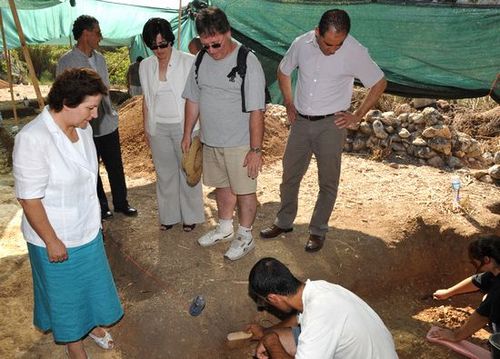




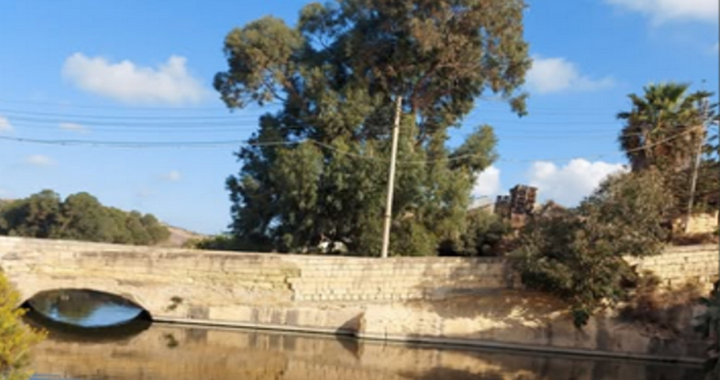












Bravo and well done to all those who have toiled for hours uncovering these important features within the valley floor and the terraced fields.
I hope this will be the discovery that gives a kick-start to the enclosure of the area as a site of special interest and the start of the project to protect this valuable eco-system as a National Park as was envisaged several years ago.
I would also comment that this form of cultivation can be observed all over the Mediterranean and Middle East where Wadis give protection to vegetation which could be damaged by high winds and which need the water flow to sustain them.