Be the first to comment!
MFOPD’s position on euthanasia and the rights of persons with disabilities
 Email item Email item
|  Print item Print item
|
|
 The Maltese Federation of Organisations of Persons with Disabilities (MFOPD), said that it is “deeply concerned about the growing trend in some EU countries to expand euthanasia and assisted dying legislation in ways that may endanger the dignity and rights of persons with disabilities.”
In a statement on Monday, the Federation said that, “while euthanasia is often framed as a personal choice in the face of unbearable suffering, international experience has shown that persons with disabilities can be disproportionately affected.”
“In countries like Belgium and the Netherlands, cases have emerged where individuals with chronic disabilities or psychosocial conditions opted for euthanasia – not because of their disability per se, but due to social isolation, lack of adequate support, or a sense of being a burden,” said the Federation. “This raises a serious ethical question: are people choosing to die because society is failing to help them live?”
It noted that “he United Nations Committee on the Rights of Persons with Disabilities has warned that such practices may violate the UN Convention on the Rights of Persons with Disabilities (CRPD), to which Malta is a signatory. Article 10 of the CRPD affirms the right to life of persons with disabilities on an equal basis with others, while Article 25 demands access to the highest attainable standard of health without discrimination.”
“We also note, with concern, the recent amendments to Malta’s IVF legislation which allow for the deliberate screening and elimination of embryos based on genetic conditions,” said the Federation.
It warned that, “this sends a dangerous message: that some lives are less worthy than others, even before birth. Today, we are told that euthanasia is not extended to persons with disabilities. But if human life can be selectively discarded at its earliest stages, how long before similar reasoning is applied later in life?”
MFOPD urged policymakers, health professionals, and society at large to:
Prioritise investment in inclusive healthcare, independent living, and psychosocial support.
Recognise that the right to die must never replace the duty to ensure the right to live with dignity.
Uphold the value and worth of every human being, regardless of disability or diagnosis.
The MFOPD concluded by saying that “a society is judged not by how it treats the powerful, but by how it protects the most vulnerable. Persons with disabilities deserve support to live – not quiet permission to die.”
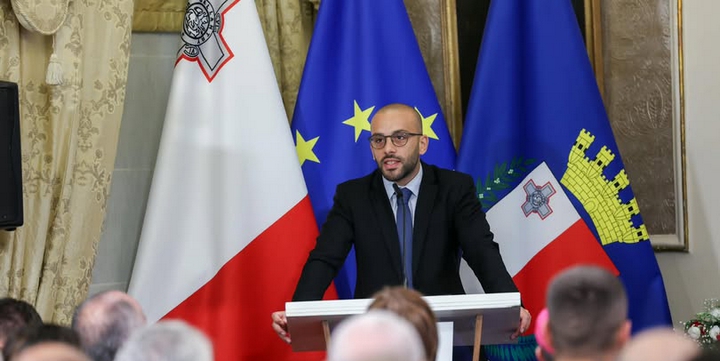
File photo