 1 comment.
MCFD proposes “minimum age for legalising the use of cannabis”
 Email item Email item
|  Print item Print item
|
|
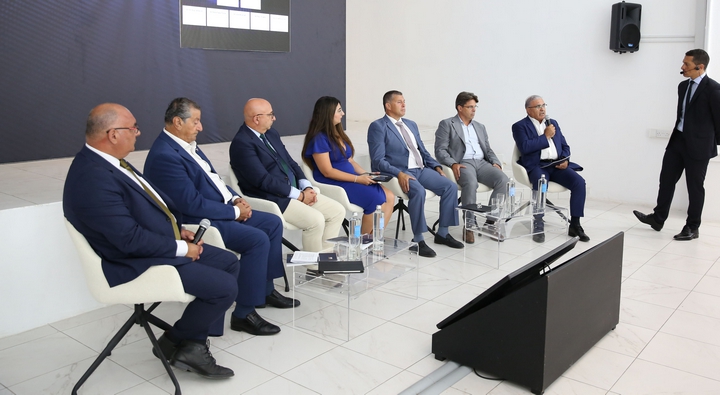
 The Malta College of Family Doctors (MCFD) in a Position Statement on the Government White Paper -Strengthening the Legal Framework on the Responsible Use of Cannabis – said that it understands the need for decriminalisation of the possession of small quantities of cannabis for personal use.
However, it went on to say that “legalising its use must be better balanced with the effects of cannabis on users, the protection of younger generations, the expected increase in its overall consumption, and the potential increase in use of other illicit drugs.”
It stressed that the “use of cannabis in young brains has more harmful effects, and the risk of dependence and move towards harder illicit drugs is more likely.”
The MCFD therefore proposes a “minimum age for legalising the use of cannabis. Additionally, cultivation of cannabis plants in homes will inevitably make cannabis products more accessible to minors and the younger generations must be shielded from this risk.”
The MCFD also noted that the White Paper does not elaborate, as it feels is needed, on the use of cannabis by specific categories, among them drivers, especially of mass transport, professionals, manual workers, pregnant women, adolescents, and patients with pre-existing mental health issues, including but not limited to schizophrenia.
The MFCD is a Voluntary Organisation that “strives to improve the academic and clinical performance of specialists in family medicine (known as “it- tobba tal-familja” or “general practitioners” or “family doctors”) and the standards of primary health care in our country.” www.mcfd.org.mt
















The MCFD show themselves to be small-minded and way behind on modern research. Only their mention of existing mental health issues cuts wood, the rest is utter nonsense. Most of the same worries (expected rise in consumption, gateway to hard drugs, increased crime, etc.) were voiced in the Netherlands, Canada, Washington state and Colorado in the 1990s and have proven completely unfounded. I speak from long personal experience as addiction and homeless guidance worker in the Netherlands.
It did not turn out to be a gateway drug to opiates: The moment it was no longer forbidden, the great majority of teenagers lost interest in spending their limited pocket money on the now utterly unimpressive act of smoking joints and uptake among native young people actually decreased.
Country-wide, by far the largest group of users is that of elderly who ran out of medical pain-relief options. Especially MS and cancer patients have exclaimed the benefits of this natural pain killer over the liver/stomach/kidney-destroying chemical cocktails forced on people by GPs with endorsement contracts from big pharmaceutical companies.
By legalising it, the government can control the quality (level of psychoactive constituents) and even raise some tax from it. It also disconnects it from the hard drugs trade.
All this guarantees a safer product and takes income away from criminal organisations, so a double win. Important is to regulate the supplier side of this, which is being discussed on Malta but will probably end up with some corrupt ‘connected’ people.
Alcohol is the cause (or at least the aggravator) of much domestic and public violence. Tobacco and alcohol use is openly promoted by many adults and is an enormous strain on the health services, as is borderline toxic pre-fab food (microwave meals, fast food, etc.). Still, all of these are freely available, advertised and taxed.
Cannabis is not physically addictive and certainly not in the league of alcohol or tobacco. The tobacco mixed into a joint is probably the most unhealthy part of it. Cannabis also does not make people aggressive, unlike alcohol. The physiological and psychological effects of alcohol, and thereby the economic and moral costs to society, are much worse and alcohol could/should reasonably be classed a hard drug.
In all fairness, the one thing which needs to be watched is the possible link between tetrahydrocannabinol (THC) and triggering latent schizophrenia. Again, this can be kept in hand by limiting the THC level (regulated supply) and disconnect the trade from hard drugs. Dedicated sellers should not be allowed to sell alcohol at the same premises as cannabis. The other main active ingredient of cannabis, next to THC, is cannabidiol (CBD). CBD does not make people ‘high’ and is widely prescribed, in the form of oil directly extracted from hemp, against insomnia, epileptic seizures and chronic (inflammatory and neuropathic) pain.