Be the first to comment!
Malta-based ornithologists at Mediterranean seabird symposium
 Email item Email item
|  Print item Print item
|
|
Two Malta-based ornithologists, Dr Marie Claire Gatt and Dr Benjamin Metzger participated in the 3rd Mediterranean Symposium on Ecology and Conservation of Marine and Coastal Bird Species in Djerba, Tunisia, last week.
The aim was to review the status of conservation actions being carried out by the Contracting Parties to the Barcelona Convention and its Protocols and to facilitate communication between experts on the frontline of bird conservation research for networking and capacity building.
The symposium, which was co-organised by the the Specially Protected Areas Regional Activity Centre (SPA/RAC) of the Mediterranean Action Plan – UN Environment Programme (UNEP/MAP) together with the Tunisian BirdLife Partner Association “Les Amis des Oiseaux,” brought together marine biologists and conservationists from all across the Mediterranean.
It also paid homage to the late Maltese naturalist, Joe Sultana, who had been an instrumental part of the Mediterranean seabird research community for decades.
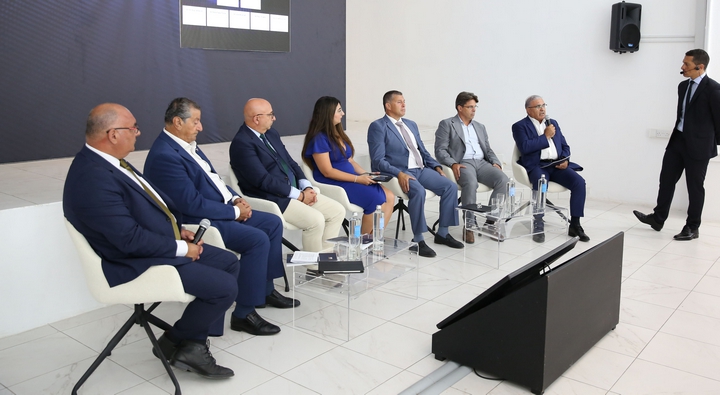
Dr Metzger and Dr Gatt sat on the symposium’s scientific committee, with Dr Metzger opening the conference with a keynote speech under the patronage of the Tunisian Minister for the Environment, Ms Leïla Chikhaoui Mahdaoui. It was explained that marine and coastal birds are sentinels of the state of the Mediterranean, one of the most heavily polluted seas in the world and whose coasts have undergone significant disfigurement due to industry, tourism, and its large population densities.
Apart from habitat loss, they are prone to fisheries bycatch, consume plastic litter, and are disturbed by human activities at their nesting sites. Several species have experienced steep declines in their populations and have conservation projects dedicated to improve their state and that of our natural environment.
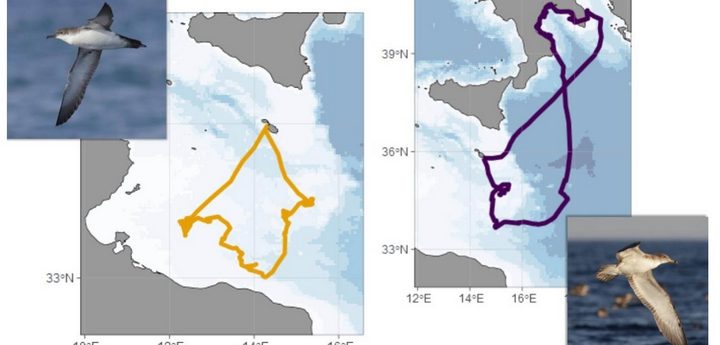
An important outcome of this event was recognising the need to increase regional communication to effectively protect highly mobile wildlife. Dr Gatt presented how data from GPS-tracked Yelkouan Shearwaters and Scopoli’s Shearwaters, published by BirdLife Malta as part of the EU LIFE+ Malta Seabird Project and LIFE Arcipelagu Garnija, show that they regularly forage out at sea in Maltese, Italian, Tunisian, and Libyan waters while attending their nests in the Maltese Islands.
The participants noted that communication and collaboration between states is therefore essential to protect these birds not only in our own country’s jurisdiction. Furthermore, stepping up and harmonising the monitoring of bird populations across the Mediterranean was one of the major recommendations arising from the three day event.
The Malta-based ornithologists explained that Malta holds significant breeding populations of both shearwater species, as well as half the world’s Mediterranean Storm-petrels, and has an international responsibility for their protection. More than 30% of our Fisheries Management Zone is currently classified as marine Special Protected Areas for seabirds under the EU’s Natura2000 network.
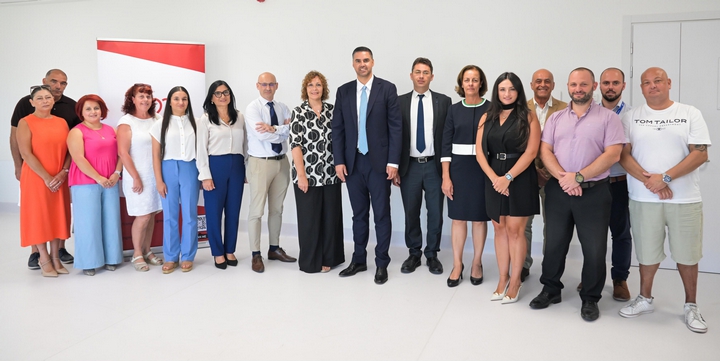
Photos: Yelkouan Shearwaters (left) and Scopoli’s Shearwaters (right) breeding in Malta visit the marine territories of several Mediterranean states over just a few days on their foraging trips, highlighting the importance of regional communication for conservation. (Photos by Benjamin Metzger; tracking data collected under BirdLife Malta’s LIFE+ Malta Seabird Project and LIFE Arcipelagu Garnija); and Malta-based ornithologists were among the participants of the 3rd Mediterranean Symposium on Ecology and Conservation of Marine and Coastal Bird Species in Djerba, Tunisia, under the patronage of Tunisian Minister for the Environment, Ms Leïla Chikhaoui Mahdaoui (front centre). (Photo from SPA/RAC)