Be the first to comment!
ERA assessing status of Chilean rat after reported sightings in Malta
 Email item Email item
|  Print item Print item
|
|
 The Environment and Resources Authority has said that it is currently assessing the status of the degu (Chilean Rat) in Malta, following recent reports of sightings in Malta.
In a statement on Sunday, the ERA said that a rapid response process has been set up to assess the best way to control the spread of this invasive alien species in Malta, with particular reference to Buskett, in collaboration with other entities.
It explained that this is being done in line with the recently adopted National Strategy for Preventing and Mitigating the Impact of Invasive Alien Species (IAS) in the Maltese Islands.
The Degu, Octogon degu, also known as the Chilean Rat or Common Degu, is a rodent native to Chile (South America) and is related to the chinchilla and the guinea pigs.
According to the ERA it was introduced in Malta as part of the pet trade and was either deliberately released into the wild or escaped from confinement.
Whilst it is noted that some experts indicate that it might not survive the summer dry and hot climate of Malta, the ERA said that it is considering the precautionary approach.
This is also considering the presence of humid valleys and areas with perennial springs in the Maltese Islands, the ERA said.
It also noted that some species which were claimed as “difficult to establish themselves in Malta” have now became invasive alien species in a number of areas in Malta and Gozo, including the Levantine Frog (il-qorru; iz-zring l-gharib), the Red-Eared Slider (il-fekruna tal-ilma helu) and different Freshwater Crayfish (ic-ckala tal-ilma helu).
The ERA pointed out that these species are either escapees from the pet trade or were deliberately released or discarded into the environment.
ERA said that it will also be addressing these issues through further awareness processes and discussions with stakeholders. This is particularly relevant in relation to the National Codes of Good Practice on Invasive Alien Species, which addresses such matter and also include Dos and Don’ts in relation to pets.
The Authority went to explain that it is also concluding the Action Plan addressing Escape from Confinement of Invasive Alien Species (IAS), which was also subject to earlier public consultation earlier this year and which will be adopted in the coming weeks.
The Authority concluded by reminding the public that pets should never be deliberately released or abandoned into the environment, since many do not survive whilst others may not only thrive but become invasive, leading to considerable environmental and economic issues, with potential impacts to nature and biodiversity as well as agriculture and fisheries, among other sectors.
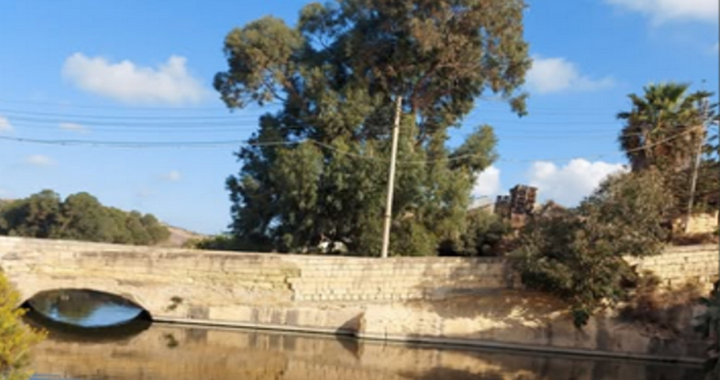
File photo Buskett